You're probably staring at a jacket mockup, a school color sheet, or a handful of achievement ideas and wondering how all of this is supposed to come together without looking crowded or random.
That's a normal place to start. A great letterman jacket doesn't happen because someone adds every patch they can think of. It works because each patch has a job, a place, and a reason for being there. When those parts line up, the jacket feels personal and classic at the same time.
Table of Contents
- Your Letterman Jacket Tells a Story
- Choosing Your Custom Patch Style
- Standard Sizing and Placement for Patches
- Securing Your Patches Backing Options Explained
- How to Prepare Your Artwork for Production
- Budgeting for Your Patches Pricing and Timelines
- Ordering with Dirt Cheap Product Inc
- Letterman Jacket Patch FAQs
Your Letterman Jacket Tells a Story
A letterman jacket usually starts with one moment. Maybe it's the first varsity season. Maybe it's a championship run. Maybe it's finally earning the right to wear the school letter that older students wore before you. The jacket becomes the thing you keep long after the season ends.
That's why patches matter so much. They aren't filler. They're the visible record of what you did, who you did it with, and what mattered enough to sew onto a jacket you'll probably hang onto for years.
Historically, that meaning runs deep. The letterman jacket tradition in the United States goes back to the 1860s, and the first documented chenille letter patch was awarded to Harvard University baseball players in 1865. That tradition has lasted for over 160 years, with the varsity letter becoming the central symbol of earned achievement on the jacket. Today, the large chenille letter still belongs on the left chest, and smaller patches are arranged around it to build the rest of the story.
A jacket remembers what you might forget
One student might choose a bold chenille school letter, a sleeve patch for basketball, and a back championship emblem. Another might build a quieter jacket with an academic letter, a music insignia, and a graduation year. Both jackets work because the patch choices connect to real milestones.
A good letterman jacket doesn't try to say everything at once. It highlights the achievements you want people to notice first.
When buyers get overwhelmed, it's usually because they're choosing patches as separate items instead of one complete design. The better approach is to treat the jacket like a layout. Start with the identity patch, add the supporting awards, and finish with personal details that don't compete for attention.
Start with meaning before decoration
Before you pick colors, borders, or backing, ask yourself a few basic questions:
- What achievement matters most: Your main varsity letter should reflect the core identity of the jacket.
- What details need to be readable: Names, titles, and small words need a different treatment than large letters.
- What do you want this jacket to feel like: Traditional, modern, minimal, or packed with milestones.
That thinking makes custom patches for letterman jackets much easier. Instead of buying random pieces, you're building a wearable history that still looks balanced.
Choosing Your Custom Patch Style
The patch style you choose affects how the jacket reads from across the gym, down a hallway, and up close in a team photo. Some materials shout. Others whisper. Some are made for bold shapes, while others are better for fine detail.
That's why first-time buyers get confused. They see several patch types and assume they're interchangeable. They're not.
Why material choice changes the whole look
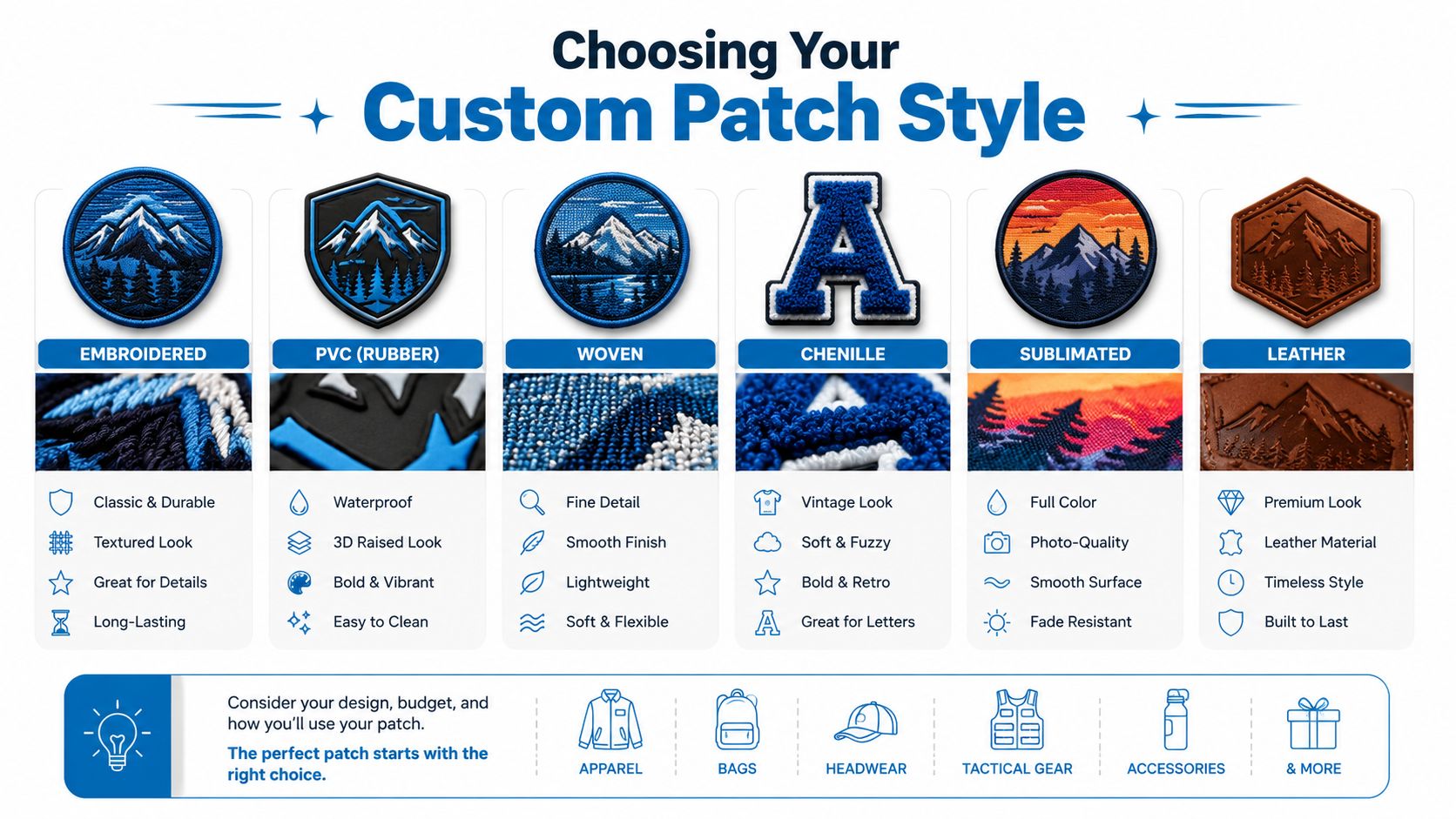
For varsity jackets, chenille is the classic star. It has that raised, fuzzy surface people instantly associate with school letters and big award numbers. Flat embroidery does a different job. It keeps names, small words, and detailed logos sharp and readable up close, which is why many jacket designs mix the two. That design rule is explained well in Clothoo's patch style guide for varsity jackets.
If you're building a jacket from scratch, think about patch materials this way:
- Chenille works best for the big statement piece.
- Embroidered patches handle crisp outlines, names, and clean logos.
- Woven patches help when details are very fine and the patch is small.
- PVC patches give a modern, rubber-like finish.
- Twill patches often act as a clean base layer or simple graphic element.
Patch Type Comparison
| Patch Type | Best For | Texture | Detail Level |
|---|---|---|---|
| Chenille | Varsity letters, large numbers, bold award shapes | Fuzzy, raised, soft | Low to medium |
| Embroidered | Names, mascots, sleeve logos, text | Threaded, slightly raised | Medium to high |
| Woven | Small emblems, tight lines, compact logos | Smooth, flat | High |
| PVC | Modern badges, outdoor-style looks, bold icons | Rubberized, dimensional | Medium |
| Twill | Base shapes, clean blocks of color, layered patch builds | Flat cloth | Low to medium |
Matching the patch to the spot
A simple example helps. If you want a large school initial on the chest, chenille usually makes the strongest impression. If you want a player name over the opposite chest or a detailed mascot on the sleeve, embroidery usually gives you the cleaner result.
Busy art often causes trouble. Small facial details, long phrases, or narrow outlines can get lost when people try to force them into chenille. In that case, a combo patch works better. Use chenille for the large fill area and embroidery for the outlines or small features.
Practical rule: Use chenille when the shape needs to be seen first. Use embroidery when the information needs to be read clearly.
PVC and woven patches can work on custom patches for letterman jackets too, but they create a more modern look than a traditional varsity look. Some buyers love that contrast. Others want the jacket to feel old-school. Neither choice is wrong, but the material should match the mood you want.
If you're unsure, don't choose one patch type for everything. Most strong jacket layouts mix materials on purpose. The chest letter can carry the emotional weight, while the smaller patches do the precision work.
Standard Sizing and Placement for Patches
Letterman jackets have placement rules for a reason. They help the jacket stay balanced, readable, and recognizable. These aren't stiff rules meant to kill creativity. They're design shortcuts that keep a custom jacket from looking off-center, too busy, or strangely proportioned.
Historically, the big chenille letter on the left chest became the anchor point of the whole garment. Without that anchor, the jacket stops reading like a letterman jacket and starts feeling more like a general decorated coat.
The classic layout and why it works
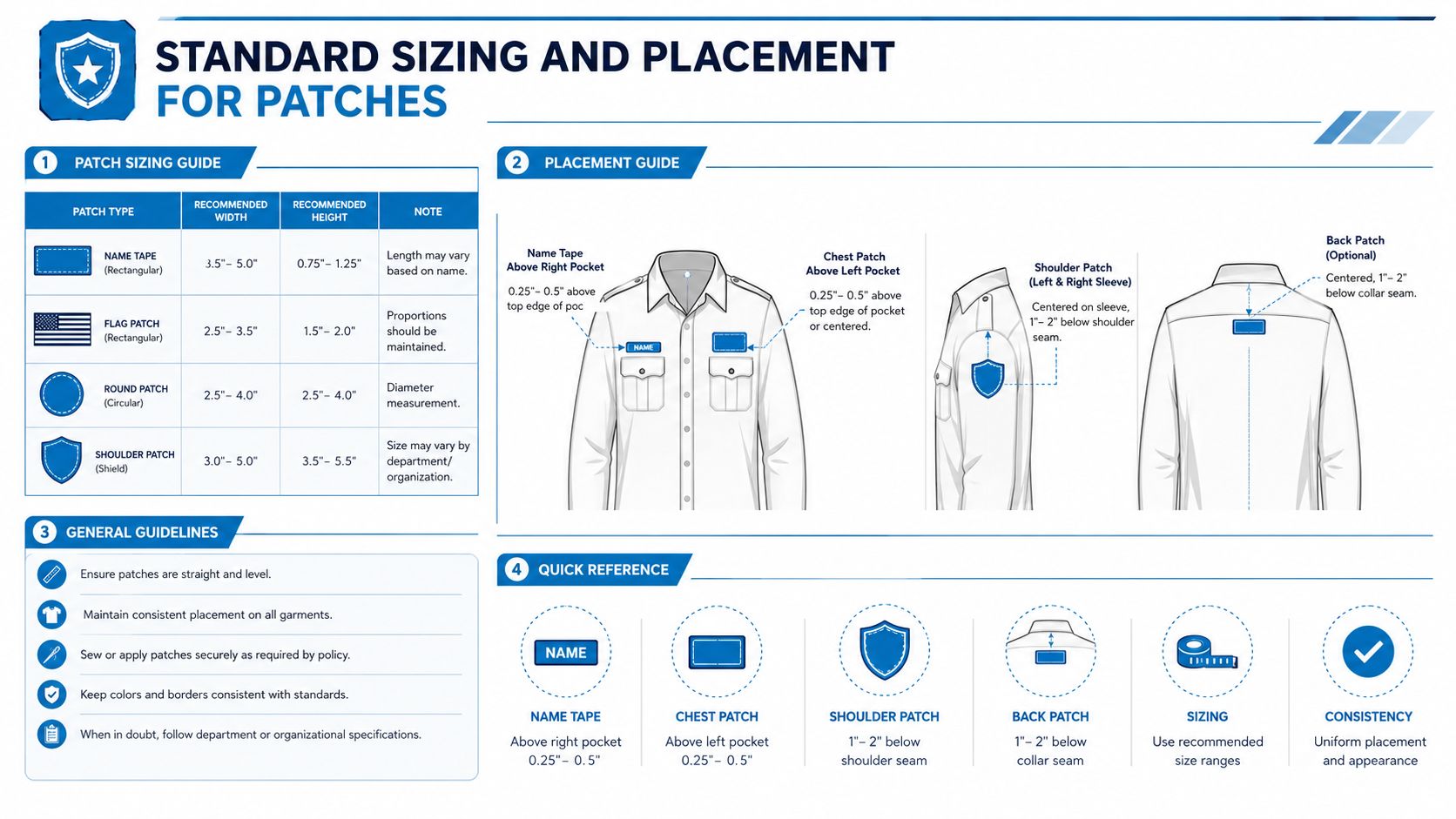
The traditional chest letter isn't just symbolic. It sets the visual hierarchy. The main front letter patch is typically 4 to 6 inches wide on a standard jacket, and can scale up to 8 inches on larger jackets. Sleeve activity patches and numbers generally fall in the 2 to 3 inch range, while back emblems work best at 8 to 10 inches or larger for the panel size, as outlined in this letterman jacket placement reference.
That size difference matters. A chest patch needs authority. A sleeve patch needs restraint. A back patch needs enough room to be seen without making the jacket buckle or sag.
For a broader apparel reference on alignment and spacing, this embroidery placement guide is useful when you're checking overall balance.
A simple placement map
Use this as your starting layout:
- Left chest: Main varsity letter. This is the identity marker of the jacket.
- Right chest: Name, monogram, or smaller designation if your school style allows it.
- Upper sleeves: Sport patches, numbers, chevrons, and role markers.
- Back panel: Championship patch, mascot, school name, or major commemorative emblem.
Why first-time buyers get placement wrong
The most common mistake is trying to make every patch equally important. That creates visual noise. On a classic jacket, the eye should land on the chest letter first, then move to supporting details.
Another mistake is using tiny art in a large zone or oversized art in a tight one. A small sleeve patch can disappear if it's too detailed. A giant chest emblem can crowd seams, trim, and pocket lines.
Keep the front focused, the sleeves tidy, and the back reserved for one major statement.
If you want a timeless jacket, think in layers of importance. Identity first. Activity second. Honors and personalization last. That order is what keeps custom patches for letterman jackets looking intentional instead of improvised.
Securing Your Patches Backing Options Explained
A patch can be beautifully designed and still fail if it's attached the wrong way. Backing doesn't get the same attention as color or placement, but it decides how well the patch survives wear, cleaning, friction, and time.
For letterman jackets, the two main choices are sew-on and iron-on. They do not perform the same way over the long haul.
Sew-on versus iron-on
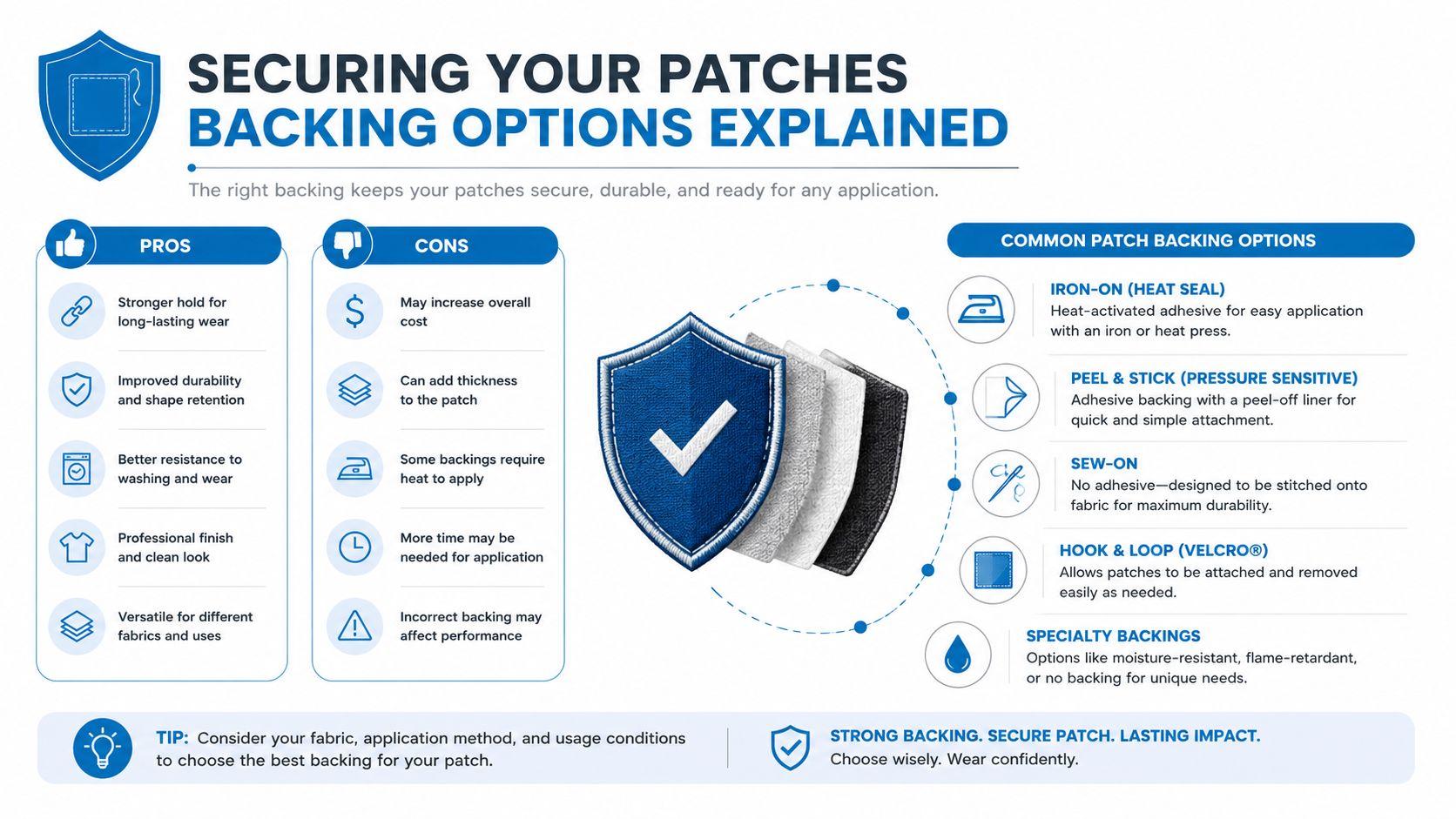
If you want the simplest answer, here it is. Sew-on is the long-term choice. Iron-on is the convenience choice.
According to textile industry research, iron-on adhesives can degrade significantly after 6 to 8 months of exposure to body heat and friction, while sewn patches can maintain integrity for 2+ years. The same source reports that 68% of DIY jacket owners replaced iron-on patches within one year due to peeling, based on a 2025 survey summarized in this patch application durability article.
That doesn't mean iron-on never works. It means you should use it with realistic expectations. If the jacket will see regular wear, movement, weather, or repeated handling, sewing gives you more confidence.
Here's a quick comparison:
| Backing Option | Good Fit | Main Advantage | Main Limitation |
|---|---|---|---|
| Sew-on | Long-term wear, student jackets, active use | Strong hold and easier repair | Takes more labor to apply |
| Iron-on | Light use, temporary placement, quick DIY setup | Fast application | More likely to peel over time |
| Adhesive | Position testing, temporary displays | Easy to place | Not a durable final method |
| Snap or removable systems | Swappable looks or specialty uses | Flexible | Less traditional for letterman jackets |
A lot of uniform and jacket buyers also review options like these through providers that handle custom patches for uniforms, since backing choice affects both appearance and lifespan.
Other backing choices
Before using heat, remember the material itself matters. Chenille, PVC, and leather-style patches can contain heat-sensitive fibers or surfaces. Direct high-temperature ironing can damage them. Excessive heat can fade fibers, unravel texture, and weaken the adhesive layer.
For buyers who still want iron-on, keep the process gentle. Use a barrier cloth. Don't press directly onto the patch face. Low, controlled heat matters because the patch surface can be damaged before the glue ever bonds properly.
Here's a video that shows how patch application works in practice:
If a sewn patch starts lifting at one edge, loose stitching is usually the first failure point. Fix that early. Waiting gives the patch more room to bend, snag, and detach.
How to Prepare Your Artwork for Production
Artwork is where many good jacket ideas get stuck. You know what you want, but translating that idea into something a patch maker can build is a different step.
The good news is that you don't need to be a professional designer. You just need to give clear, usable information.
What file type helps most
The easiest files for patch production are vector files, such as AI, EPS, or PDF. Vector art can scale up or down without turning blurry, which matters when a design might move from a chest letter concept to a smaller sleeve emblem.
Raster files like JPG and PNG can still help, especially if that's all you have. They're just less flexible. If the image is low resolution, tiny details may need to be simplified before production.
A practical starting point looks like this:
- Best option: AI, EPS, or PDF with clean outlines
- Still usable: High-quality PNG or JPG
- Helpful extra: A photo of the jacket color so patch colors can be matched visually
- Very helpful: A note showing where each patch should go
How to explain your idea clearly
If you aren't working with a design file, words matter. Describe the patch in plain language. “Forest green chenille letter with white embroidered border” is much more useful than “make it pop.” If you know the font, name it. If you don't, send a photo of something similar.
Simple planning tools can be very helpful. If you're sketching ideas before ordering, you can find clothing design apps that make it easier to test layouts, colors, and logo placement before you submit artwork.
The cleaner your instructions are, the fewer revisions you'll need.
A strong artwork handoff usually includes:
- Your main letter or mascot concept
- The text that must appear exactly as written
- Your school or brand colors in simple terms
- Any details that should stay large and readable
- Anything that can be simplified if needed
One last tip. Don't cram tiny text into a small patch just because it fits on your screen. Patches are physical objects, not digital graphics. What looks readable in a phone mockup may become hard to stitch cleanly on fabric.
Budgeting for Your Patches Pricing and Timelines
Patch pricing makes more sense once you stop thinking of it as one flat number. The final cost depends on the patch type, the size, the number of patches, the amount of detail, and how much personalization you want added to the jacket.
Chenille usually costs more than simpler patch styles because the material and construction are more labor-intensive. That fuzzy raised look takes more work than a basic stitched emblem.
What affects the final price
For custom chenille letterman jacket patches, standard sport emblems typically cost $8 to $15, championship patches usually cost $10 to $20, and service stripes or small recognition patches usually cost $5 to $10. If you add embroidered name personalization, that usually adds about $0.15 to $0.50 per letter. A complete patch set with the large chenille letter, sport designation, and basic personalization can raise the base jacket cost by $50 to $150.
Those ranges tell you something important. The jacket's main visual identity often isn't the cheapest part, and it shouldn't be. The large letter does most of the storytelling work and usually gets the most attention.
How to plan your order without surprises
When you're budgeting, break the project into layers:
- Core layer: The chest letter and must-have identity patches
- Recognition layer: Sport, captain, championship, or academic additions
- Personal layer: Name, year, role markers, and smaller extras
That order helps you protect the pieces that matter most if the budget gets tight. It also keeps you from overspending on tiny extras before the central patches are locked in.
Another thing buyers miss is timing. Production isn't only stitching. The process includes artwork review, proof creation, approval, patch production, and final application or shipment. If your jacket is tied to a game, banquet, or graduation milestone, leave room for revisions before you need the final piece in hand.
You don't need to order every patch on day one, either. Some people build the jacket over time. That can make the cost easier to manage, as long as the placement plan is thought through early so later additions still fit the layout.
Ordering with Dirt Cheap Product Inc
Once your design is clear, ordering gets much easier because you're no longer choosing blindly. You're confirming details.
For buyers who want an online process with human support, jacket customization options can help organize the order around artwork, placement, and decoration choices.
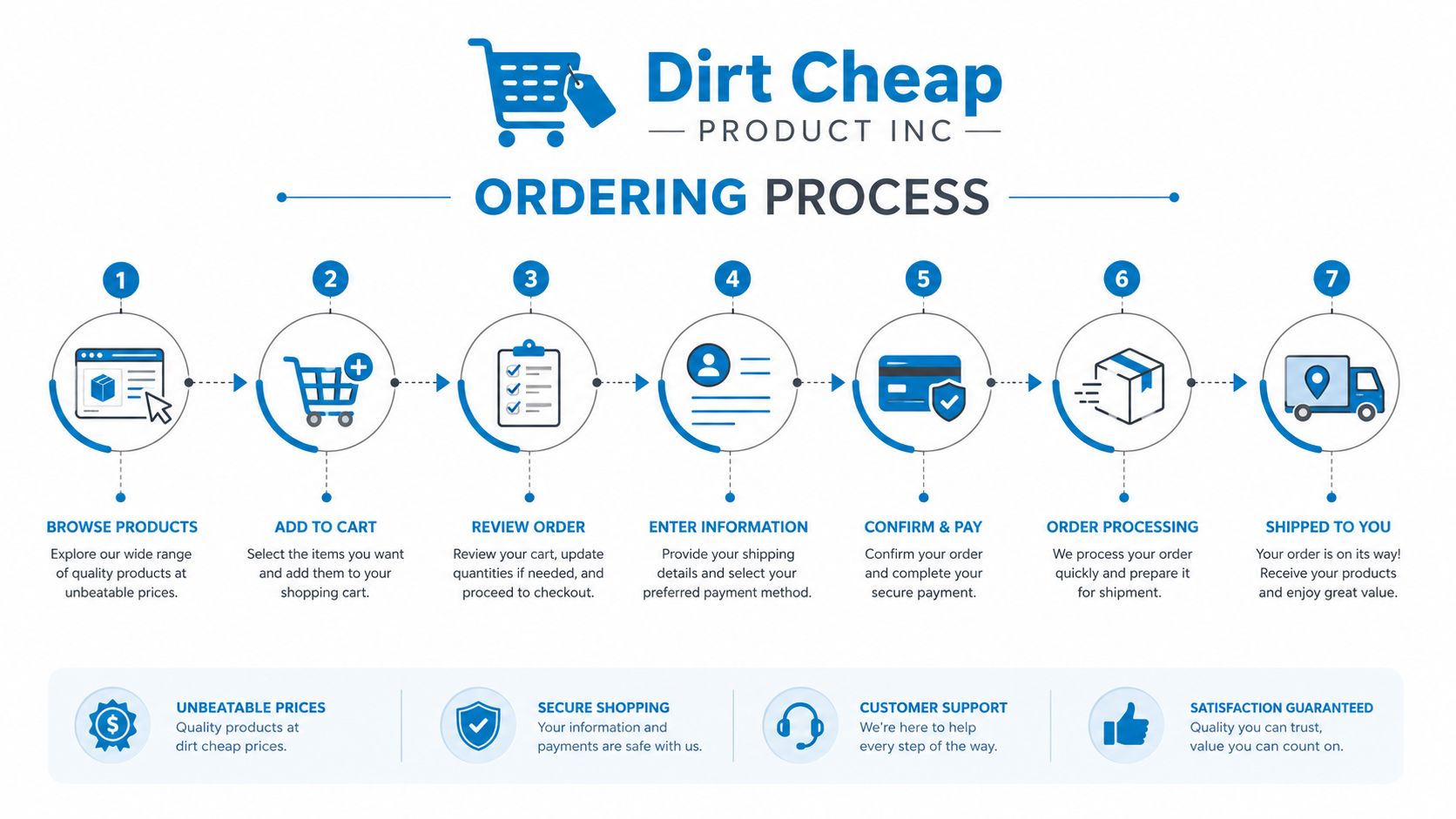
What the ordering process looks like
Most custom patch and jacket orders follow a similar workflow:
Submit your design details
Send your logo, letter idea, patch list, jacket type, and color notes.Review the quote and questions
A sales rep may ask about patch sizes, placement, backing, and garment details before finalizing pricing.Receive a digital proof
At this stage, you confirm spelling, colors, outlines, and layout.Approve the proof
Production starts only after the proof matches what you want.Production and shipping
The patches are made, applied if part of the order, and sent out.
What to check before approving your proof
Don't rush the proof stage. Preventable mistakes are most easily caught here.
Look closely at:
- Names and initials: Spelling errors happen most often here.
- Patch scale: A design can be correct but still feel too large or too small.
- Color contrast: Make sure the patch stands out against the jacket body and sleeves.
- Placement logic: The most important patch should still own the best visual space.
Dirt Cheap Product, Inc. provides responsive support from sales reps Monday-Friday, 9am-5pm EST, with proofs supplied quickly so buyers can review color, placement, and stitching details before production.
A careful proof review is usually the difference between “good enough” and “that's exactly what I wanted.”
Letterman Jacket Patch FAQs
A few questions always come up after the design is finished. These are the ones worth answering before the jacket goes into regular wear.
How should I care for my jacket and patches
Use gentle care. Spot cleaning is usually safer than aggressive washing, especially for jackets with chenille or heat-applied elements.
Maintenance guidance shows that the adhesive bond strength of iron-on patches can weaken when exposed to moisture or thermal shock during garment care. Chenille and PVC patches can also be damaged by direct high-temperature ironing. That means no direct hot iron on the patch face, and no rough heat treatment just to flatten wrinkles.
If the patch looks raised or curled, don't attack it with heat. Check the stitching or attachment method first.
Can I add patches to a jacket I already own
Yes, and people do this all the time. Older jackets often gain new achievement patches, updated years, captain bars, or club marks.
The key is spacing. Don't fill empty areas just because they're open. Match the placement logic already on the jacket so the new patch feels like part of the original design instead of an afterthought.
Are letterman patches only for school sports
No. They're also used for academic teams, music, theater, clubs, staff recognition, retail fashion, and branded outerwear. The design language still works because patches signal identity, role, and achievement in a very visible way.
That's one reason custom patches for letterman jackets still appeal outside school settings. They carry tradition, but they can adapt.
What patch is the one I should never skip
The main varsity letter patch. That's the one that gives the jacket its classic identity. The left-chest letter is the visual and cultural marker that tells people this is a letterman jacket, not just a jacket with decorations.
If you want the full varsity look, start there and build outward.
If you're ready to turn your ideas into a finished jacket, Dirt Cheap Product, Inc. offers custom patches, jacket decoration support, and proof-based ordering so you can review the details before production begins.