You're probably staring at a shortlist right now. Maybe it includes Gildan, Bella+Canvas, Next Level, Hanes, or Comfort Colors. On paper, they all look like “shirts.” In production, they behave very differently.
That difference shows up fast once a project moves past browsing. A staff uniform has to survive repeat washing and reorders. Event shirts need to hit budget without feeling disposable. Retail merch has to feel good enough that someone wants to wear it again, not just accept it at checkout. The blank shirt you choose affects print quality, perceived value, fit complaints, and whether the reorder is easy or painful.
Custom apparel represents a serious buying category, not a niche side project. The custom T-shirt printing segment was valued at $5.16 billion in 2024 and is projected to reach $9.82 billion by 2030, with an 11.5% CAGR from 2025 to 2030, according to Printful's T-shirt industry statistics roundup. Buyers have more options than ever, which is helpful, but it also makes bad choices easier.
Table of Contents
- How to Start Choosing from Popular Shirt Brands
- A Breakdown of Top Wholesale Shirt Brands
- Matching a Shirt Brand to Your Decoration Method
- Selecting Brands Based on Your Use Case
- Pro Tips for Ordering Your Custom Shirts
- Making Your Final Brand Decision
How to Start Choosing from Popular Shirt Brands
Most buyers begin in the wrong place. They start with the most popular shirt brands, then try to force one of those brands into a project that has very specific requirements. That usually leads to compromises on fit, print result, or budget.
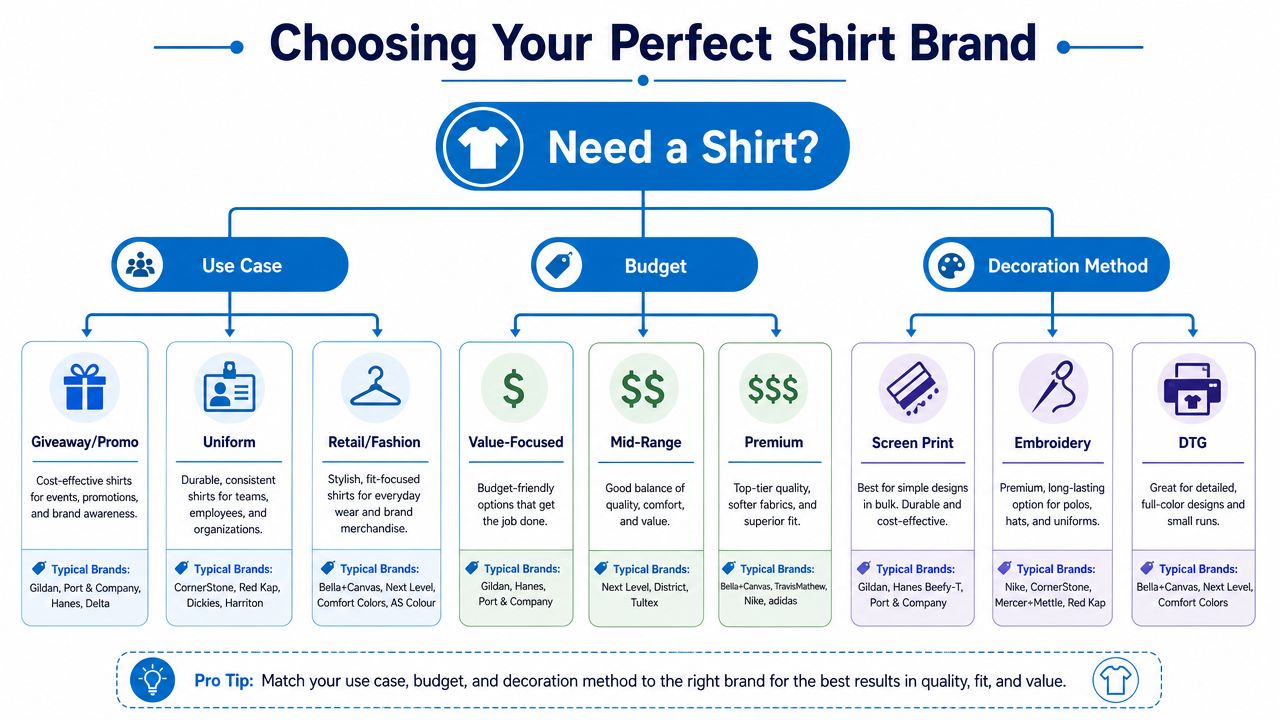
A better approach is to start with three questions. What is the shirt for. What decoration method are you using. What matters most: low cost, soft feel, or long-term durability.
Start with the job the shirt has to do
A promo giveaway shirt and a retail merch tee are not the same product, even if both are short-sleeve cotton tees. The promo shirt has one job: keep cost under control while still being wearable. The merch tee has a different job: feel good immediately, fit well, and support a higher perceived value.
That's why “popular” can be misleading. A brand might be widely recognized, but still be the wrong blank for your artwork, your audience, or your reorder needs.
Practical rule: Don't ask which shirt brand is best. Ask which shirt brand is hardest to regret after printing.
When buyers use this lens, the market gets simpler. You stop shopping by reputation alone and start shopping by outcome.
Use a simple three-tier model
The easiest way to sort popular shirt brands is to group them into three working tiers.
Budget workhorses: These are the blanks you look at for large event runs, volunteer shirts, staff basics, and price-sensitive programs. They usually favor dependable availability and straightforward construction over fashion fit.
Retail-quality favorites: These are the brands that tend to feel softer, fit more modern, and present better on a merch table. They often print beautifully, but the cost per piece is usually less forgiving if the project is mostly about volume.
Premium specialty options: These make sense when material story, domestic manufacturing, garment-dyed character, or a higher-end hand feel matters. They can be worth it, but only if the end use supports the upgrade.
A useful mental shortcut is this: if the shirt will be handed out, watch cost first. If it will be sold, watch feel and fit first. If it will be worn on the job, watch consistency first.
A Breakdown of Top Wholesale Shirt Brands
Brand recognition matters in apparel because familiar names lower buyer hesitation. In YouGov's 2026 U.S. clothing-and-footwear rankings, Hanes posted 94% awareness and 74% popularity, while Fruit of the Loom showed 98% awareness and 66% popularity, according to YouGov's brand ratings. That staying power explains why legacy basics still show up in so many custom programs.
What the major names signal in practice
Gildan is usually the first name buyers encounter for a reason. It covers the value end of the market well, and it works when your first priority is getting a lot of shirts decorated without pushing the budget out of range. The trade-off is that some Gildan styles feel more utilitarian than retail-driven, so the shirt may do its job without feeling especially premium.
Bella+Canvas sits in a different lane. Buyers usually choose it for softness, smoother surface feel, and a more fashion-aware fit. That can be a strong match for merch and brand launches. The caution is simple: a softer, slimmer-feeling shirt can create sizing friction if the audience expects a roomy, classic fit.
Next Level often lands between value and premium in a practical way. It tends to appeal to buyers who want a modern fit and softer hand feel but don't always want to jump to the highest per-piece blank in the room. It's often a sensible compromise when the project needs to look current without turning into a boutique apparel experiment.
Comfort Colors is its own category for many buyers. The draw is the washed, lived-in look and relaxed feel. It can make basic artwork feel more considered because the garment itself has character. The downside is that garment-dyed shirts don't behave like generic promo blanks, so color expectation and decoration planning need a little more care.
Hanes remains useful because familiarity reduces risk in broad-distribution orders. Buyers know the name, and recipients usually understand what they're getting. If your project values broad acceptance over trend-driven styling, Hanes still deserves a place on the shortlist.
For teams comparing options for a printed apparel run, a wholesale screen printed T-shirt ordering page can help frame what styles and decoration combinations are practical at order time.
Popular Shirt Brands Comparison
| Brand | Price Tier | Fabric Feel | Primary Fit | Best For |
|---|---|---|---|---|
| Gildan | Budget to mid-range | Standard to soft, depends on line | Classic | Large runs, staff basics, event shirts |
| Bella+Canvas | Mid-range to premium | Soft and smooth | Modern | Retail merch, fashion-forward brand tees |
| Next Level | Mid-range | Soft, lightweight feel | Modern to slightly tailored | Merch programs, startups, brand launches |
| Comfort Colors | Premium specialty | Soft, washed-in feel | Relaxed | Vintage-style merch, lifestyle retail |
| Hanes | Budget to mid-range | Familiar basics feel | Classic | Broad audience programs, dependable basics |
What buyers often miss
The same brand can behave differently across its own line. A basic tee, a ringspun option, and a heavier shirt from the same label may solve three different problems. Buyers sometimes compare brands when they should be comparing specific shirt families.
Another common miss is overvaluing popularity and undervaluing audience tolerance. A modern-fit tee may look better folded on a table, but if your recipients include volunteers, warehouse staff, and mixed age groups, a roomier classic cut may get worn more often.
The blank that gets reordered easily is often the better business choice than the blank that looked slightly better in the sample stack.
Matching a Shirt Brand to Your Decoration Method
A shirt can look perfect in a catalog and still be the wrong canvas for your artwork. Decoration method changes what “best shirt” means.
Screen printing, embroidery, and DTG need different surfaces
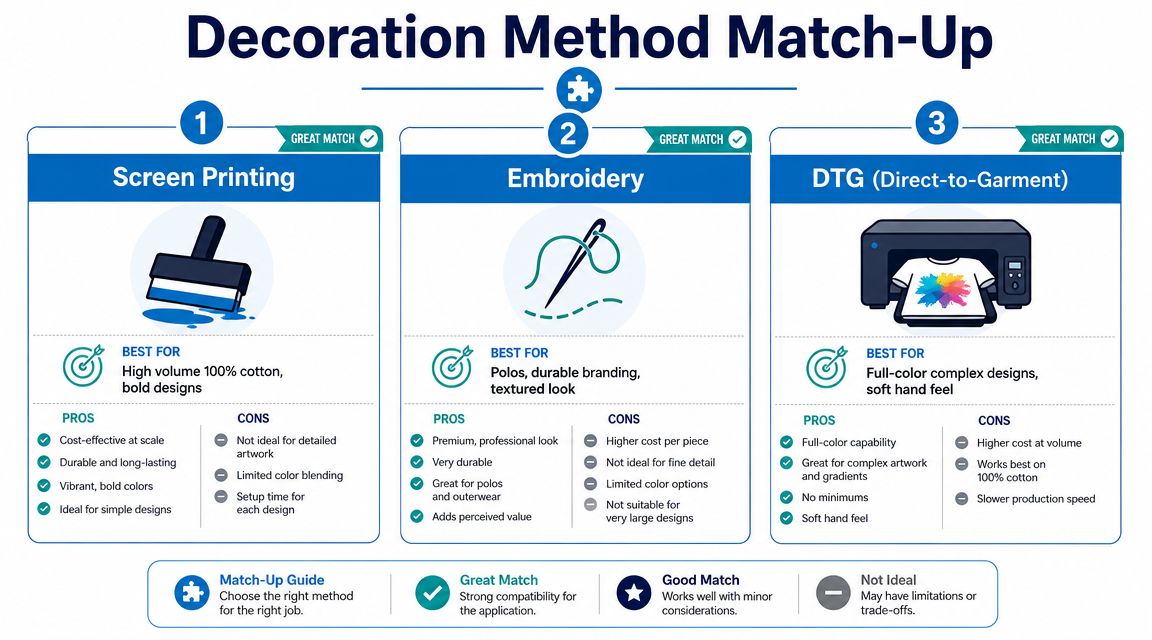
Screen printing usually rewards stable fabric and a shirt that doesn't fight the ink. Smooth cotton surfaces tend to produce cleaner-looking prints, especially for bold designs and larger chest or back placements. If the artwork is simple and the run is sizable, this is often the most straightforward path.
Embroidery asks more from the garment structure. Dense stitching can pull or pucker lighter, flimsier shirts, especially around left-chest logos. Heavier tees, polos, and more stable fabrics usually support embroidery better because they give the stitching something to hold onto. If you're planning a stitched logo and want visual ideas before choosing placement or style, this inspiration for embroidery projects is a useful reference point.
DTG favors garments with a smooth print surface and works best when the shirt quality supports a clean direct print. It's a strong choice for detailed artwork and softer-feel prints, but the blank still matters. A rougher or less consistent surface can limit how refined the final image looks.
When teams are comparing methods for logos, artwork detail, and garment type, a guide on how to choose a logo decoration method can help narrow the field before the order gets too far along.
Fabric choice decides more than softness
Material choice drives performance. That principle shows up in retail brands too. Uniqlo is often cited as a useful benchmark because it combines engineered fabric systems like HEATTECH and BLOCKTECH with accessible, functional design, as discussed in this overview of famous T-shirt brands and fabric technology. In custom apparel, the lesson is practical: fabric isn't just feel. Fabric is behavior.
A few working rules help:
- Ringspun cotton: Usually a strong match when you want a smoother print surface and a softer hand.
- Polyester or performance blends: Useful when moisture management or athletic use matters, but decoration compatibility needs to be checked before art is finalized.
- Heavier cotton: Often better for embroidery and for projects that need a sturdier, more substantial feel.
- Blends: Comfortable and popular, but they can shift print character compared with a straightforward cotton surface.
A decoration method doesn't fail in production by accident. It usually fails because the fabric and the artwork were never matched correctly in the first place.
By slowing down early, buyers save money. If the shirt and decoration method fit each other, production tends to stay smooth. If they don't, every later step gets harder.
Selecting Brands Based on Your Use Case
The cleanest way to choose among popular shirt brands is to ignore the ranking mentality and focus on the job. Practical menswear guidance often points buyers toward utility, construction, and purpose over pure label appeal, which is why use-case-based apparel thinking is more helpful for uniforms, merch, and event buying than a generic popularity list.
Uniforms need predictability
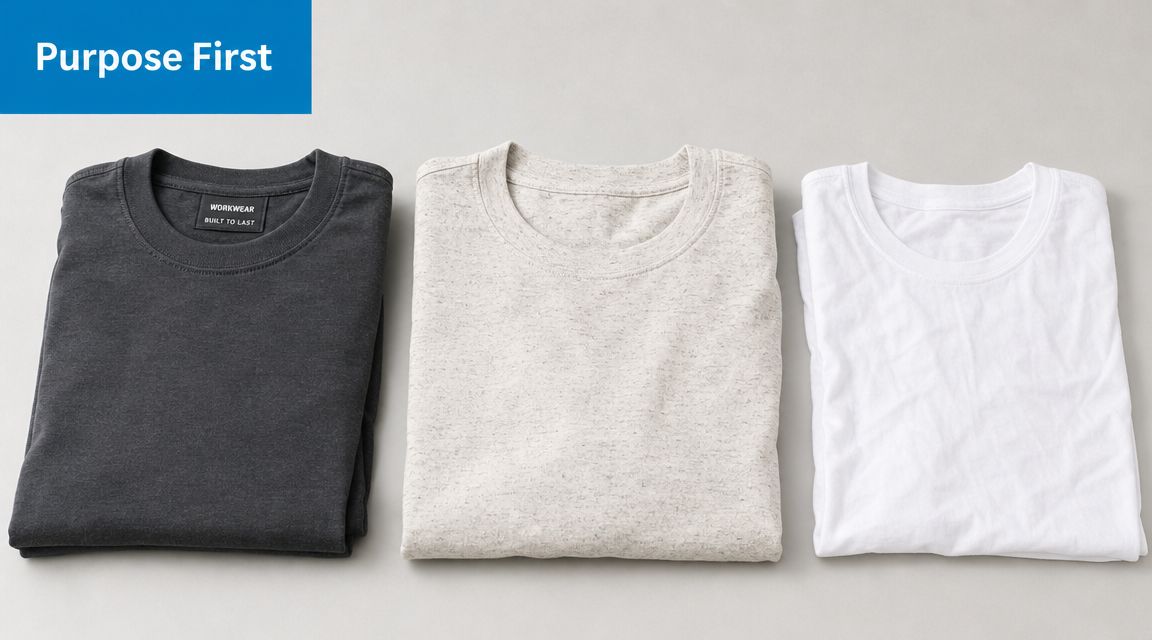
A uniform shirt doesn't have to be exciting. It has to be reliable.
For staff programs, buyers usually need a brand with stable sizing, repeatable colors, and enough structure to hold up in daily wear. A classic-fit option from a workhorse brand usually makes more sense than a trendy retail-style blank. If the project includes polos rather than tees, looking at logo-ready polo shirt options can help match the garment to front-of-house, hospitality, or field-use needs.
The common mistake is choosing a shirt that feels great in one sample but becomes hard to reorder consistently across sizes and seasons. Uniform programs reward boring decisions. That's not a criticism. It's risk management.
Retail merch needs perceived value
Merch works differently. The buyer isn't just receiving a shirt. They're deciding whether the shirt feels worth buying.
That's where softer hand feel, cleaner drape, and a more current fit become more important. Bella+Canvas, Next Level, and garment-dyed styles often show up here because they help simple art feel more premium. If the blank feels thin in a bad way, stiff, or off-trend in cut, the print won't rescue it.
Retail merch also benefits from tighter editing. Fewer colorways with better shirt selection usually outperform a broad assortment on mediocre blanks.
Giveaways need discipline, not just the lowest quote
Promo shirts live under budget pressure, but “cheap” and “smart” are not the same thing. The best giveaway shirt is usually the one that hits the budget while still being acceptable to the broadest group of recipients.
That often means classic fits, simple colors, and blanks that can tolerate straightforward decoration without surprises. Buyers get into trouble when they shave cost too aggressively and end up with a shirt people won't wear. At that point, the order did its job on paper and failed in real life.
A useful way to think about use cases:
- For uniforms: prioritize consistency, durability, and reorder ease.
- For retail: prioritize softness, silhouette, and perceived quality.
- For events: prioritize budget control, broad fit tolerance, and dependable decoration.
Pro Tips for Ordering Your Custom Shirts
Once the brand is chosen, ordering discipline matters as much as the shirt itself. Most expensive mistakes happen after the style has already been selected.
Check the blank before you commit
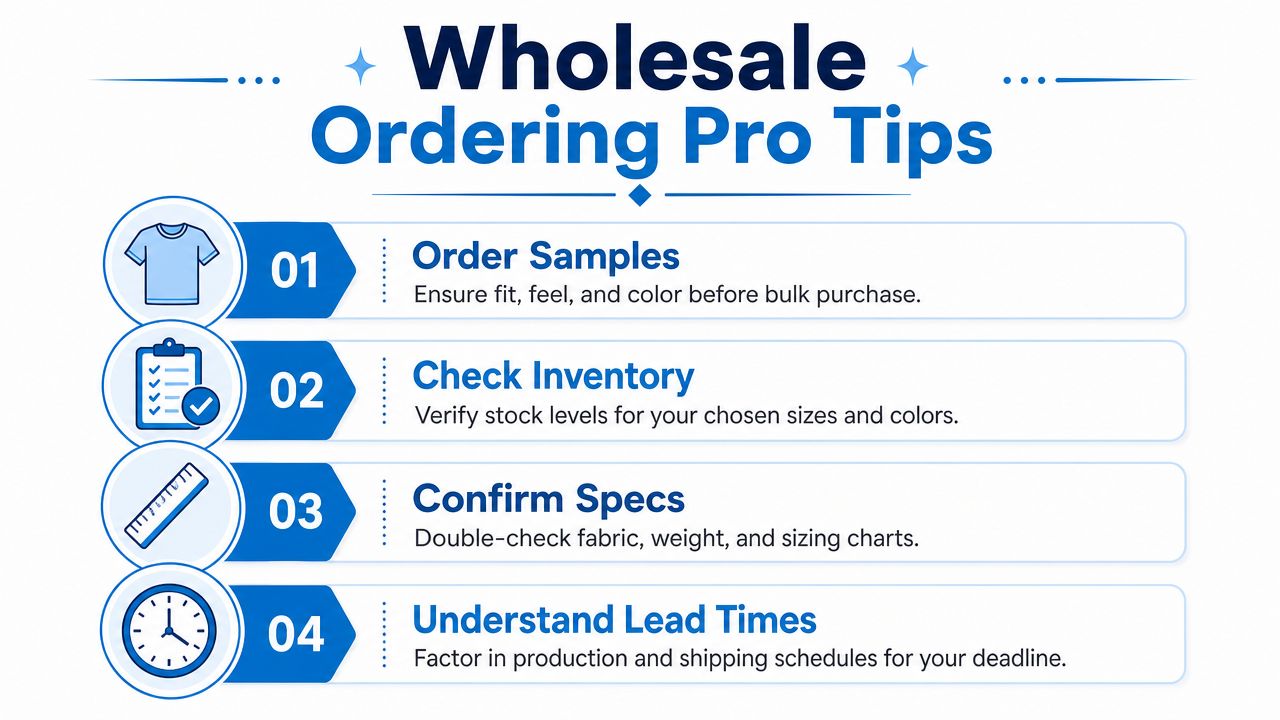
Get a sample when the project matters. That applies even if the brand is familiar. Fabric hand, collar shape, sleeve length, and body width can all feel different in person than they look on a product page.
Use the sample like a production test, not a shopping prop.
- Wash it once: See how the body and collar respond.
- Try the likely decoration area: A left chest can sit very differently on a boxy tee than on a fitted one.
- Compare it to your audience: A startup merch shirt and a municipal volunteer shirt should not be judged by the same standard.
On press reality: The shirt that looks best laid flat isn't always the shirt that wears best across a mixed-size order.
Clean ordering prevents expensive rework
Shirt orders get messy when details are assumed instead of confirmed. Buyers should lock down specs before art goes into production.
Start with the color list. Heather colors and solid colors often don't behave the same because the fabric makeup can differ. That can affect print look, hand feel, and how consistent the order feels if you mix too many body types under one design.
Then confirm sizing logic.
- Know the fit category: Unisex classic, unisex modern, and contoured cuts solve different problems.
- Review the size spread: Don't guess based on a previous order from another brand.
- Check stock before approval: Popular sizes and colors move quickly, especially on common blanks.
- Build in time: Art proofing, garment availability, decoration, and shipping each need room.
If you need a vendor to manage decoration methods, apparel selection, and proofing in one workflow, Dirt Cheap Product, Inc. handles custom apparel programs across screen printing, embroidery, DTF, sublimation, and related branded garments. That's most useful when the buyer wants one point of contact rather than sourcing blanks and decoration separately.
The final tip is simple. Keep the order tighter than your instincts suggest. Fewer garment styles, fewer colors, and fewer fit variations usually produce a cleaner result.
Making Your Final Brand Decision
The best of the popular shirt brands isn't a universal winner. It's the one that fits your project without creating avoidable problems.
If the order is for uniforms, reliability usually beats softness. If it's for retail merch, softness and fit often justify spending more on the blank. If it's for an event, broad wearability and cost control usually matter more than chasing a premium label. This is the fundamental decision framework.
A good buyer also accepts that every shirt choice is a trade-off. A cheaper blank may protect the budget and weaken perceived value. A softer, more modern tee may improve the customer experience and create sizing questions. A heavier shirt may feel durable and print well, but not suit hot-weather use or lightweight branding goals.
American-made options can make sense when material quality and manufacturing story are part of the brief. Brands such as American Giant, Buck Mason, and Everlane are often associated with premium materials and ethical U.S. manufacturing, which can support stronger quality control and a more durable positioning, according to this overview of top American-made T-shirt brands. That doesn't make them right for every order. It makes them worth considering when the garment itself carries brand meaning.
The strongest projects usually come from asking better questions early. What will the wearer expect. What decoration method fits the art. How often will this item be reordered. Will people want to wear it after the event, shift, or purchase.
Answer those well, and the shortlist gets clearer fast.
If you're ready to turn that shortlist into an actual order, Dirt Cheap Product, Inc. can help you match the right blank shirt to your artwork, budget, and timeline for uniforms, merch, and event apparel.