You’ve probably got a roster, a deadline, a budget that’s already tight, and a group chat full of people asking, “Did you order the uniforms yet?” That’s usually when the search for cheap basketball uniforms custom starts. The problem is that “cheap” online often means one of two things: a low sticker price that doesn’t include the actual costs, or a product that looks fine in a mockup and disappoints when it shows up.
A smart uniform order comes down to four decisions. Pick the right base garment. Match the decoration method to your quantity and artwork. Submit production-ready files. Order the right sizes and quantities early enough that you’re not paying for panic. If you handle those four pieces well, you can keep costs under control and still end up with a uniform that looks organized, readable, and professional on the court.
Table of Contents
- Your Game Plan for Affordable Custom Uniforms
- Choosing Your Uniform Foundation Fabric and Style
- Decoding Decoration Methods for Your Budget
- Preparing Your Artwork for a Flawless Print
- Smart Sizing and Ordering Strategies
- Timeline Delivery and Final Cost-Saving Checklist
Your Game Plan for Affordable Custom Uniforms
Budget uniform buying gets easier once you stop treating it like one purchase. It’s really a chain of choices, and each one affects the next. If you start with the wrong fabric or an overcomplicated design, the decoration cost goes up. If you rush artwork or sizing, the reorder cost shows up later.
The good news is that there are real low-cost entry points in this market. Some wholesale suppliers list polyester quick-dry basketball kits starting at about $7.19 per unit for bulk orders, and reversible options can reduce costs by replacing separate home and away sets, according to wholesale basketball kit listings. That tells you something important. Affordable uniforms are available, but the lowest listed unit price is rarely the full story.
The four decisions that matter most
Base uniform choice
Fabric, weight, cut, and whether you use a stock style or a custom build decide how the uniform feels and how much decorating flexibility you have.Decoration method
Screen printing, DTF, sublimation, and embroidery each solve a different problem. The wrong method can make a small order expensive fast.Artwork readiness
A sharp logo file and a clean proof save more money than typically realized. Bad files create delays, redraw charges, and print problems.Sizing and quantity
Getting your count right is where a “cheap” order becomes an efficient one. It’s also where many first-time buyers make avoidable mistakes.
Cheap doesn’t mean buying the least expensive jersey you can find. It means controlling the total landed cost without ending up with something your team hates wearing.
A clean team name, readable numbers, solid color choices, and a decoration method that fits your order size will usually beat an overdesigned uniform every time. That’s true for youth leagues, school programs, rec teams, tournaments, and sponsor-backed events.
Choosing Your Uniform Foundation Fabric and Style
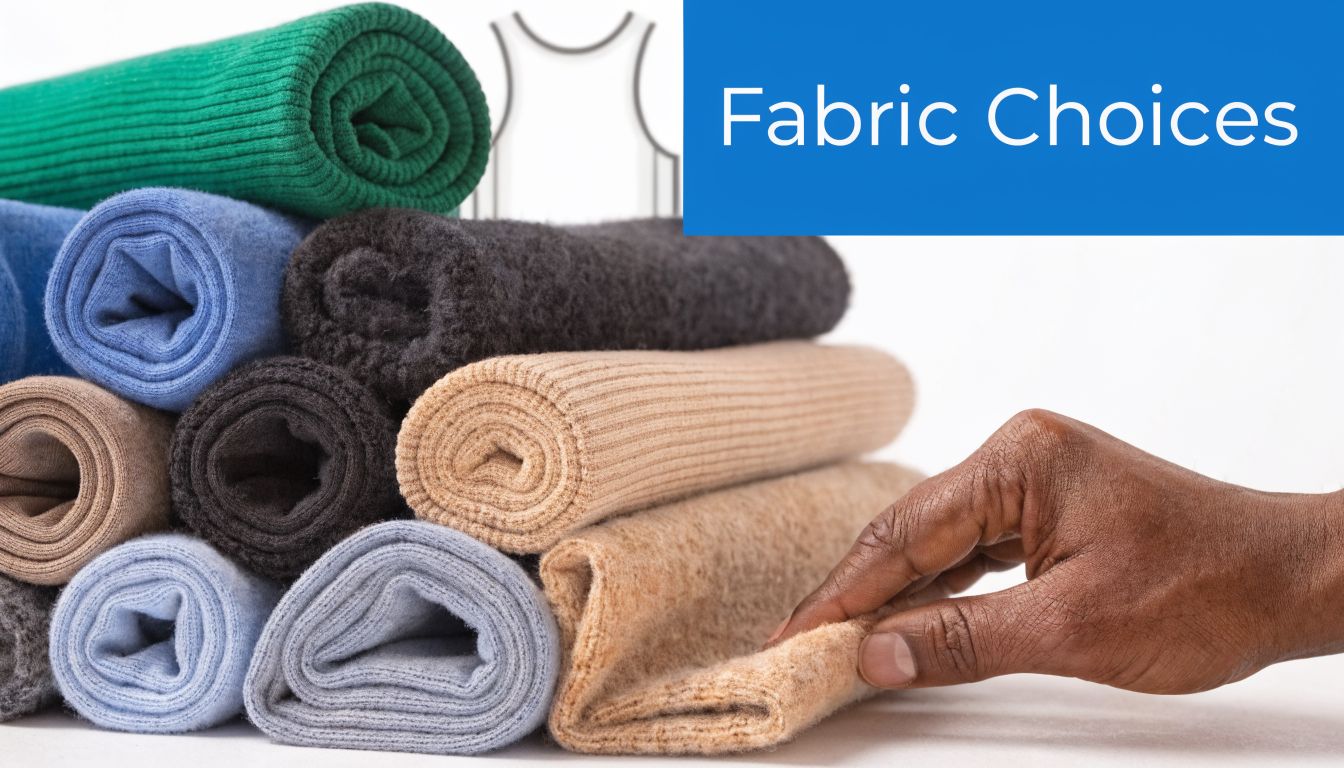
A team manager usually notices fabric choice after the first wash or the third game of a weekend tournament. That is when a jersey that looked cheap in a good way starts feeling cheap in a bad way. The right base uniform keeps your costs under control before you spend anything on names, numbers, or rush production.
Start with performance polyester for most basketball orders. It is the standard for a reason. It dries fast, handles repeated washing well, and works with the decoration methods budget buyers use most often. Polyester mesh is usually the safest pick for rec leagues, school teams, camps, and tournament programs because it balances breathability, weight, and price.
Other common fabric options show up for specific reasons:
Mesh polyester
Best for teams that need airflow and a traditional basketball feel. Usually the easiest fabric to source at entry-level and mid-range price points.Interlock or smooth-knit polyester
Better if you want a cleaner, flatter surface for graphics and a slightly more polished look. It can feel warmer than open mesh in hot gyms.Dazzle polyester
Chosen for shine and visual impact, especially for trim or shorts panels. It looks more decorative, but that does not automatically make it better for play.Stretch blends
Useful if your roster wants a more fitted cut. They often cost more and can narrow your vendor options.
Fabric choice affects more than comfort. It also affects shrinkage risk, how the print sits on the surface, and how long the uniform still looks presentable after a full season. This guide to fabric durability and print quality is helpful background because most basketball uniforms are polyester-based, and print results change depending on the fabric face and texture.
Choose the style that protects your budget
For first orders, stock bodies and lightly modified stock bodies usually deliver the best value. They cost less to develop, are easier to size across a full roster, and create fewer surprises during production.
A full custom cut can look impressive on paper. It also adds more decision points, more approvals, and more room for mistakes. If your priority is total landed cost, not just the quoted jersey price, extra complexity matters. Pattern changes, special side panels, unusual trims, and custom-built shorts can increase sampling time, slow production, and make reorders harder six months later.
Here is the practical split:
| Option | Best for | Trade-off |
|---|---|---|
| Stock in-house style | Rec teams, youth leagues, camps, sponsor events | Lowest friction, limited silhouette options |
| Modified stock style | Teams that want a distinct look without a full rebuild | Good value, but available changes depend on the vendor |
| Custom sewn-from-scratch uniform | Programs with strict branding or unique fit requirements | Higher development cost, longer approval cycle, more reorder risk |
The safest cost-saving move is simple. Keep the garment pattern standard and put your identity into color placement, numbers, and artwork.
That approach usually gives you a cleaner quote and a smoother reorder path. It also makes it easier to compare suppliers offering custom basketball uniform printing services because you are pricing the same basic build instead of three completely different garment structures.
One more insider tip. Ask whether the quote is based on an existing blank, a stocked domestic template, or a made-to-order overseas body. Three jerseys can share the same mockup and have very different freight costs, lead times, and minimums. That is the kind of detail that separates a cheap unit price from an economical uniform order.
Decoding Decoration Methods for Your Budget
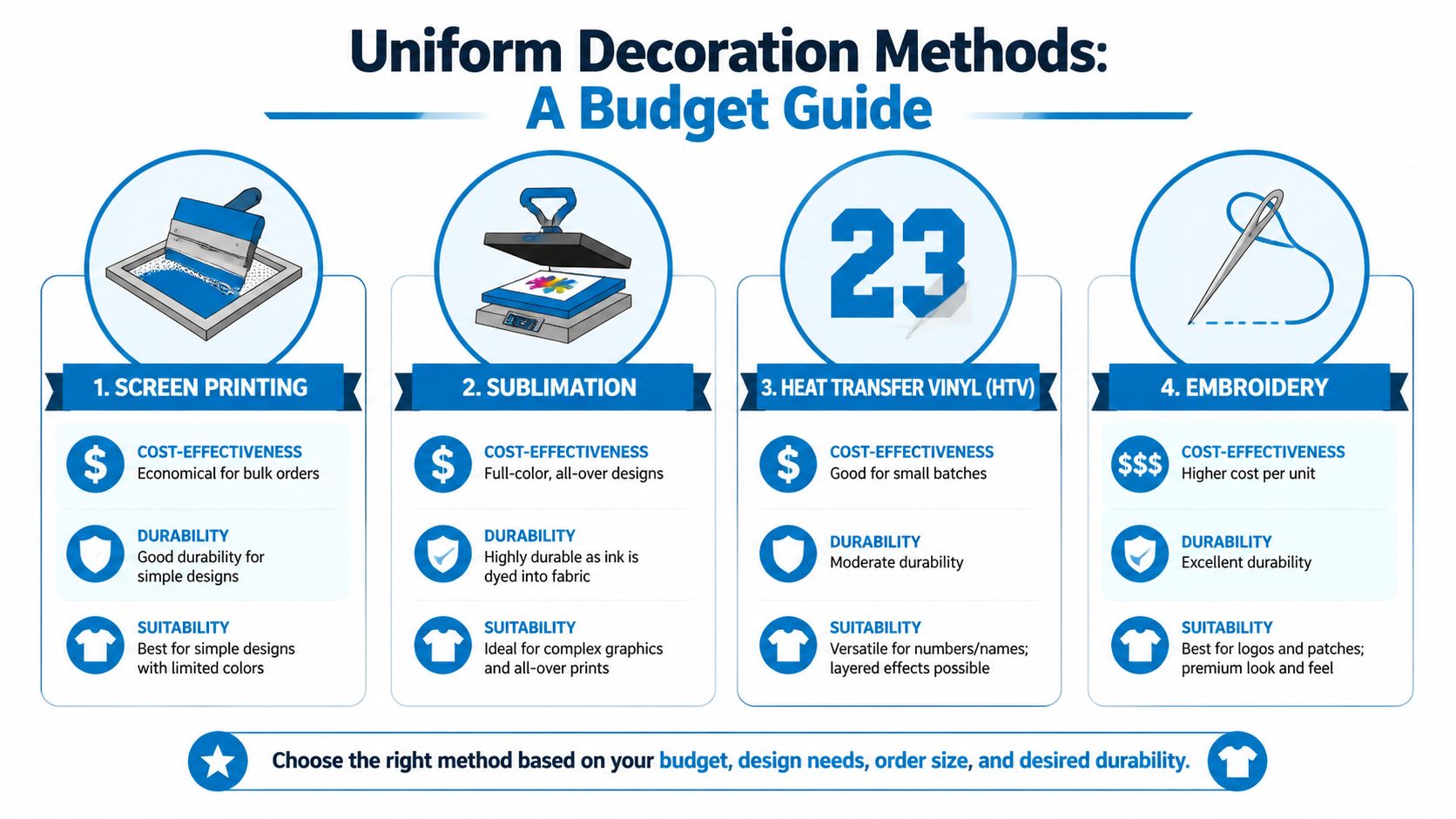
A coach approves a sharp mockup, sees a low unit price, and assumes the order is under control. Then the add-ons show up. Screen fees, name and number charges, art cleanup, and rush production can change the total price fast. Decoration method is where that usually happens.
The right choice affects four things at once: your upfront setup cost, your per-player personalization cost, how fast the order can move, and how clean the uniforms look after a season of wear. For budget basketball uniforms, the best method is usually the one that keeps total landed cost predictable, not the one with the lowest starting number.
How the main methods compare
| Method | Cost profile | Look | Best use case | Main downside |
|---|---|---|---|---|
| Screen printing | Lower unit cost on larger runs, higher setup cost upfront | Bold, clean, classic | Simple team graphics and repeatable bulk orders | Small orders get expensive once setup is spread across fewer jerseys |
| DTF | Lower setup burden, flexible for mixed quantities | Full-color and detailed artwork | Small rosters, colorful logos, fast-turn player names | Large prints can feel heavier on the garment |
| Sublimation | Often priced as a full custom program | Ink becomes part of the fabric, no print feel | Edge-to-edge designs, patterned backgrounds, pro-style visuals | Higher price for teams that do not need full-panel decoration |
| Embroidery or patches | Premium add-on cost | Textured, dimensional | Warmups, bags, hats, shooting shirts | Too heavy for many jersey applications and not ideal for large chest graphics |
The first budget trap is treating all decoration quotes like they cover the same scope. They rarely do. One supplier may include player names and numbers in the base price. Another may quote the jersey shell first, then add each personalization line item later. Before comparing vendors, ask what is included in the decorated price and what gets billed per placement, per color, or per player.
What usually works best for small teams
For a youth team, rec league, school club, or tournament squad, decoration should solve the design problem without forcing you into a premium production method.
A practical rule:
- Use screen printing for simple logos and team names when the order is large enough to absorb setup fees.
- Use DTF for smaller rosters, multicolor art, gradients, or mixed personalization.
- Use sublimation when the design depends on full coverage, printed side effects, or artwork built into the fabric itself.
- Use embroidery sparingly on off-court items, not on the main game jersey.
I usually steer first-time buyers toward DTF or straightforward screen printing unless the design needs sublimation. That keeps the budget focused on what players and parents notice: clean numbers, readable names, solid color match, and a professional finish.
One more cost point gets missed all the time. Reorders. If you expect to add three players mid-season, ask how each method handles small follow-up quantities. A low initial quote can lose its appeal if the vendor makes reorders awkward or expensive.
Some suppliers offering custom basketball uniform printing services handle multiple decoration methods in one shop. The right partner can match your artwork and quantity to the process instead of forcing every order into the same production lane.
Appearance and wear differ too, and those differences matter on the court:
- Screen printing looks best with bold art, fewer colors, and enough negative space to keep the design readable at speed.
- DTF is strong for fine details and smaller-run personalization, especially when the logo would be costly to separate for screens.
- Sublimation gives the cleanest all-over result and avoids print texture, but you should pay for it only if the artwork uses that freedom.
- Embroidery adds polish on the right product, though it can stiffen lightweight performance fabric.
Artwork setup affects decoration cost more than many buyers expect. If logos are built without proper bleed, clean edges, or print-ready sizing, the shop may need file correction before production. These professional bleed setup tips help explain why a file that looks fine on a laptop can still create avoidable production issues.
Cheap uniforms look expensive when the decoration method fits the job. Cheap uniforms look cheap when the process, artwork, and order size are fighting each other.
Preparing Your Artwork for a Flawless Print
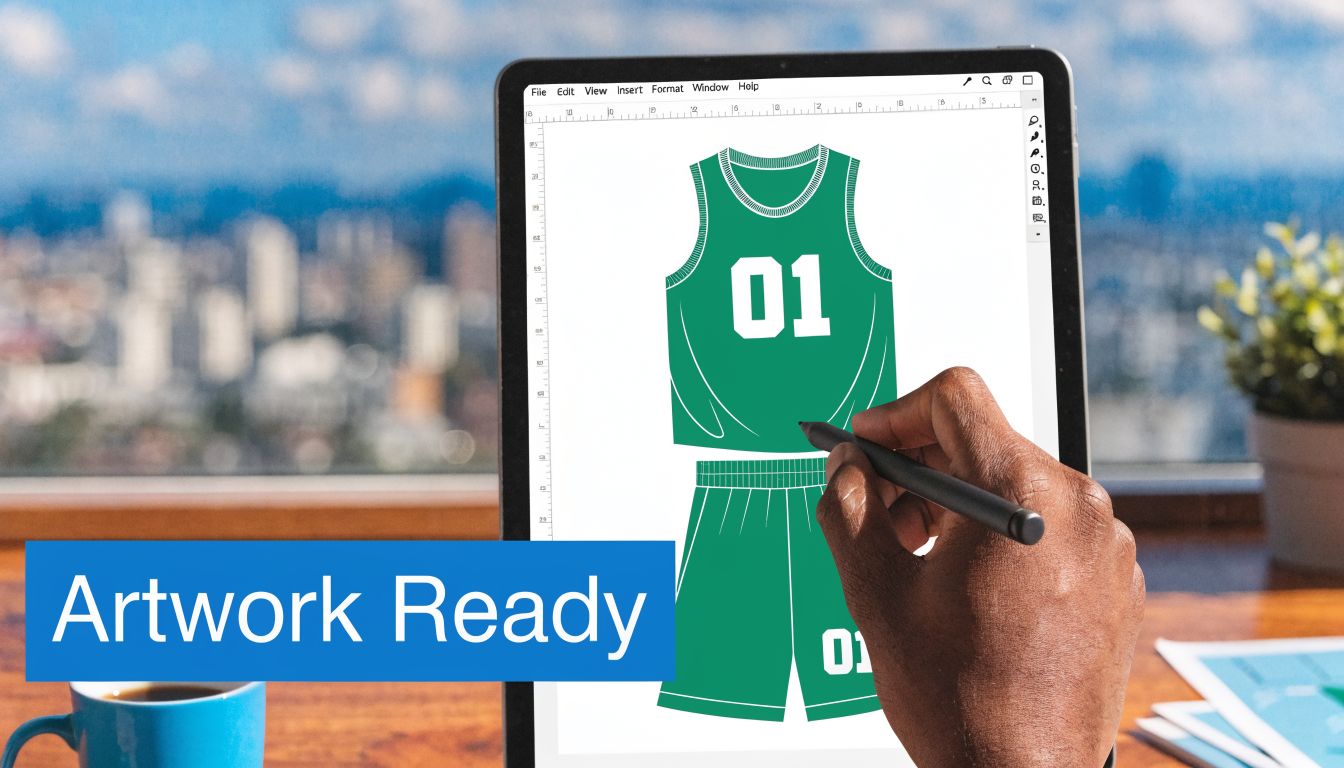
A team manager approves colors on a phone, sends over a screenshot of the logo, and expects production to stay on schedule. That is how small artwork problems turn into art charges, proof delays, and uniforms that look less polished in person than they did on screen.
The print shop can only produce what the file allows. If the logo starts soft, jagged, or undersized, the finished jersey usually shows it. Some vendors will rebuild simple art. Some will bill for cleanup. Some will print exactly what you sent once the proof is approved. That difference affects total landed cost more than buyers expect.
Fix the low-resolution file problem first
For logos, vector files are the safest starting point. AI, EPS, and clean PDF files scale without losing edge quality. Small JPGs and PNGs do not. If you stretch a social media graphic across a chest print or a large back logo, the corners soften and thin details start to break apart.
On a basketball uniform, artwork has to read at game speed, from the stands, and in photos. Thin outlines, tight spacing, gradient-heavy art, and low contrast often look acceptable on a laptop but weaker on fabric.
Use these checks before you send files:
Start with vector logos
Ask your booster club, sponsor, or designer for the original file, not a web download.Name the colors clearly
If team colors need to match existing uniforms or warmups, specify that up front instead of hoping the proof looks close enough.Test the art at real size
Print it on office paper or view it at actual dimensions on screen. If small text is hard to read there, it will not improve on a jersey.Simplify details that do not survive production
Fine lines, distressed textures, and tiny shadows can add cost without adding much visual value.
If your design runs to the edge or uses background panels, these professional bleed setup tips are worth reviewing. Apparel layouts are not paper prints, but the same file setup discipline helps prevent alignment problems and awkward edge handling.
What to check on the proof
Treat the proof as the production blueprint. Once it is approved, the shop will usually follow it exactly, even if a spacing issue or roster mistake becomes obvious later.
Review the proof like the person paying for replacements. Check every decorated piece, every player line, and every placement callout.
Focus on these items:
Roster accuracy
Confirm spelling, jersey numbers, grade labels, captain marks, and coach names.Logo scale and placement
A logo can be clean and still look undersized on the chest or crowded near the neckline.Color contrast
Numbers and names must separate clearly from the jersey body under gym lighting, not just on a bright monitor.Trim and panel alignment
On patterned or sublimated uniforms, check whether stripes, side inserts, or background graphics interfere with numbers and names.Decoration-specific limits
Printed art, tackle twill, and stitched applications all handle small detail differently.
If you are adding bags, warmups, or staff gear with stitched logos, review how custom embroidery projects handle small text, satin borders, and line thickness. Artwork that prints well on a jersey front may need to be simplified for embroidery.
One last point from experience. Number fonts cause more regret than logo files. Fancy styles look fun in the mockup, then turn hard to read once players are moving. Clean, blocky numbers usually give the best result for games, photos, and reorders.
Smart Sizing and Ordering Strategies
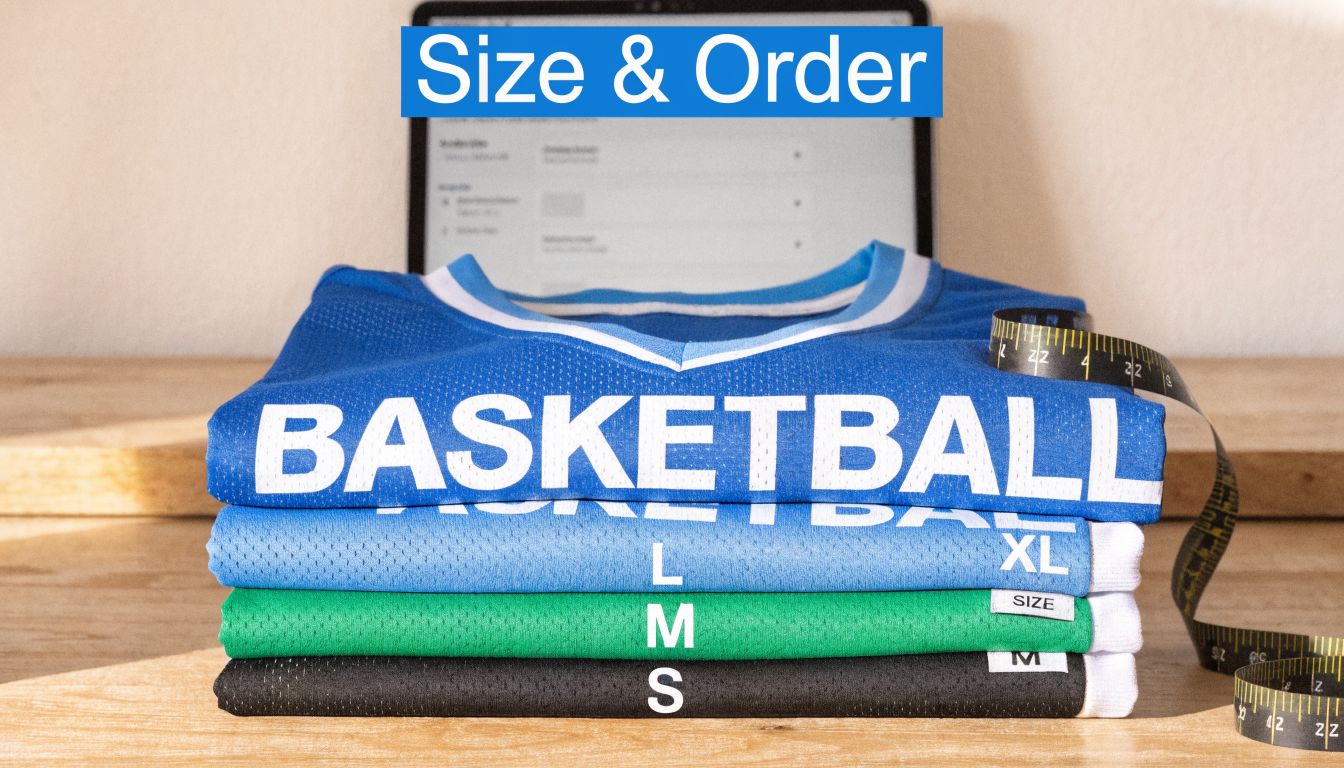
Fit is not a detail
Teams obsess over colors and forget fit until the boxes arrive. That’s a mistake because bad sizing creates the most expensive kind of problem: a uniform that technically printed correctly but won’t get worn comfortably.
Use the supplier’s size chart for the exact style you’re ordering. Not a generic one. Not a chart from another brand. If a fit kit or sample set is available, use it. That extra step is cheaper than replacing several pieces because a youth medium in one style fits nothing like a youth medium in another.
Here’s the practical reason I treat sizing as paramount:
Players notice comfort first
If the arm opening, length, or short cut feels off, they’ll mention that before they notice the print.Parents and organizers remember reorders
One preventable size mistake can create a second shipping charge and deadline stress.Different cuts fit differently
Reversible uniforms, women’s cuts, and fashion-forward styles all change the fit picture.
Order by chart and confirmed measurements, not by guesswork or what players “usually wear.”
Collect sizes in a spreadsheet. Have one person verify every line item. If a player is between sizes, make the choice intentionally instead of leaving it to assumptions.
Where quantity changes the math
A lot of websites advertise “no minimums,” but your best pricing usually starts when quantity rises. According to USportsGear’s custom jersey pricing notes, a realistic price for a quality polyester jersey can be $35 to $45 for 24+ units and can drop to $25 for 100+ units. The same source also warns that very cheap options may use thinner 140 to 150gsm fabric that’s more prone to fading, while 180gsm material is more durable for a modest step up.
That tells you two things at once. Quantity matters. Fabric spec matters too.
A simple buying approach works well:
| Order size | What to focus on |
|---|---|
| Small roster or event batch | Minimize setup friction and avoid overdesigning |
| Mid-size team order | Balance fabric quality with decoration choice |
| Large program order | Push for stronger unit pricing and standardized specs for reorders |
If your roster is close to a higher pricing tier, it can make sense to add a few extras for coaches, replacements, or late additions. But only do that if the total order still aligns with a real need. Buying random extras just to chase a lower per-unit number can backfire.
The cheapest order is usually the one that gets the size mix right, chooses a durable-enough fabric, and avoids a second order.
Timeline Delivery and Final Cost-Saving Checklist
Build your schedule backward
A team manager approves artwork on Friday, a few players switch numbers on Monday, and shipping suddenly becomes the most expensive part of the order. That is how a “cheap” uniform order stops being cheap.
Work backward from the wear date, not the order date. The date that matters is when uniforms need to be sorted, checked, and in players’ hands. Build in time for proof review, roster cleanup, production, shipping, and one round of correction if something is off. If your event is fixed, your approval pace becomes part of the production timeline.
Standard production usually gives you better pricing and fewer constraints. Rush service has a place, but it adds cost and reduces your room for mistakes. I treat rush fees as a last resort because they increase total landed cost fast, especially once expedited freight gets added on top.
One more point gets missed on first orders. Shipping time is separate from production time. A vendor can finish the uniforms on schedule and still miss your real deadline if the cartons travel farther than expected or get delayed in transit.
The final checklist before you approve
Use this list to control total landed cost, not just the quoted unit price:
- Choose a standard base style: Stock uniforms are easier to reorder, easier to size against past orders, and less likely to trigger delays.
- Match the decoration method to the run size: Screen printing usually makes better sense on larger quantities, while smaller or more detailed jobs may fit DTF or sublimation better.
- Keep the artwork readable from the stands: Clean contrast, restrained color use, and clear numbering look more professional than crowded layouts.
- Lock the roster before approval: Late name, number, and size changes create extra charges and increase error risk.
- Review the proof line by line: Check spelling, number sequence, logo placement, garment color, and quantity before production starts.
- Confirm what the quote includes: Ask whether freight, rush fees, art cleanup, player names, and individual numbering are already built into the price.
- Order early enough to protect your options: More time usually means better method choices, lower shipping cost, and less pressure to approve a questionable proof.
- Buy against replacement risk: If your program adds players midseason, a few planned extras can cost less than placing a small reorder later.
- Use the right shop for the method: Vendors that regularly produce wholesale screen printed apparel are usually better at setting up efficient larger runs and catching avoidable production issues early.
Teams that stay on budget make decisions early, approve carefully, and compare the full order cost instead of chasing the lowest headline price.
If you’re pricing out cheap basketball uniforms custom and want help sorting through fabric, print method, artwork, and quantity without turning the order into a trial-and-error project, Dirt Cheap Product, Inc. handles custom apparel decoration with screen printing, DTF, sublimation, embroidery, fast proofing, and wholesale-style catalog options for teams, events, and branded programs.