You're likely facing the recurring trade show debate that arises each season. You need something people will keep, something that won't blow the budget, and something your booth staff can hand out without turning the table into a yard sale. This is where many giveaway strategies falter. Organizations frequently shop for items before deciding what the item is supposed to do.
The best giveaways at trade shows aren't just popular products. They're tools. A good one starts conversations, reinforces your brand after the event, and gives your team a clean way to separate casual booth traffic from real prospects. A bad one disappears into a tote bag with six other forgettable items before lunch.
Table of Contents
- Why Your Trade Show Giveaway Strategy Matters
- How to Choose Giveaways That Actually Work
- Top Categories for Trade Show Giveaways in 2026
- Giveaway Ideas Organized by Budget
- Branding Your Giveaways for Maximum Impact
- Smart Distribution Strategies for Your Booth
- Measuring ROI and Embracing Sustainable Giveaways
Why Your Trade Show Giveaway Strategy Matters
Trade show planning creates a very specific kind of pressure. The booth is booked. Graphics are in motion. Shipping deadlines are creeping up. Then someone asks the giveaway question, and the room fills with random ideas. Pens. Tumblers. Shirts. Chargers. Candy. Everybody has an opinion, but very few teams stop and ask what outcome they want.
That's the core issue. A giveaway isn't a box to check. It's one of the few parts of your exhibit that can keep working after the floor closes.
The strongest proof comes from attendee memory. According to a Promotional Products Association International survey, 71.6% of trade show attendees who received a promotional product remembered the name of the company that gave it to them, and 76% could recall the business or exhibitor up to 12 months after the event, compared to 53.5% for those without giveaways, as reported in this attendee-perspective analysis of promotional product effectiveness.
That gap matters because booth traffic alone doesn't win. Plenty of exhibitors get attention during the event and vanish from memory afterward. The right item keeps your brand in a prospect's office, backpack, kitchen, or commute. It turns one live interaction into repeated exposure.
A good giveaway changes the job of your booth
When teams choose items strategically, the giveaway stops being a freebie and starts acting like part of the selling process.
- It attracts attention: Useful items give people a reason to stop.
- It supports positioning: A polished hat, bottle, or tech item says more about your standards than a cheap trinket ever will.
- It extends the conversation: The item becomes a reminder of who you are after the event ends.
Practical rule: Don't ask, “What should we hand out?” Ask, “What should people remember about us a month from now?”
That shift changes everything. It pushes you away from novelty for novelty's sake and toward products with actual staying power. It also helps you make better budget choices, because the best result isn't “we gave everything away.” The best result is “the right people remembered us and came back.”
How to Choose Giveaways That Actually Work
Most giveaway mistakes happen before the order is placed. Teams pick an item because they've seen it at other booths, because it looks trendy in a catalog, or because it seems cheap enough to approve quickly. None of those reasons are strong enough on their own.
A better filter is simple. Use four checks before you commit to any item: utility, audience alignment, brand fit, and budget discipline.
Start with utility
If people won't use it, they won't keep it. And if they don't keep it, your logo has no second life after the show.
That's why practical products keep outperforming clever but disposable ideas. Think drinkware, bags, hats, notebooks, phone accessories, and apparel people would wear outside the expo hall. Utility also helps across industries because it doesn't depend on attendees immediately understanding an inside joke or niche message.
A quick test helps here. Ask whether the product solves a small problem during the event or in daily life. If the answer is yes, you're in stronger territory.
Match the item to the audience
A giveaway can be useful and still be wrong. A premium embroidered cap may work well for an outdoor industry expo and fall flat in a formal financial conference. A desk accessory may feel right for office-heavy audiences and miss the mark with field teams or operations buyers.
Use audience behavior, not your internal preferences.
- Professional buyers: Often respond well to practical office and travel items.
- Creative or lifestyle brands: Usually get more value from apparel, bags, and visually strong merchandise.
- Tech audiences: Tend to notice problem-solving gadgets more quickly than generic swag.
The best item is usually the one that feels obvious to the recipient, not the one that feels clever to the marketing team.
Make the product fit the brand
Some products carry your brand better than others. A polished logo embroidered on a structured hat can look premium and intentional. The same logo shrunk onto a flimsy plastic trinket can look forgettable.
Teams should get honest about message. If your company wants to look dependable, polished, and established, your giveaway should reflect that. If your brand is energetic and casual, a soft tee or colorful tote may communicate more naturally than a conservative executive item.
Keep these questions in play:
- Would someone use this in public or at work?
- Will our logo still look good at the actual imprint size?
- Does this product feel consistent with how we sell?
Set the budget around distribution
The smartest giveaway plans don't start with a single item. They start with who gets what.
If your whole booth strategy depends on one premium product, you may spend too much on people who were never going to buy. If you go too cheap across the board, you may miss the chance to create a stronger impression with real prospects.
Budget works best when it follows a tiered plan:
- Low-cost items for broad booth traffic
- Better items for badge scans or meaningful conversations
- Premium gifts for top prospects, appointments, or existing clients
That's how practical teams choose the best giveaways at trade shows. They don't chase one perfect object. They choose products that fit the audience, support the brand, and make sense for how the booth will operate.
Top Categories for Trade Show Giveaways in 2026
Some giveaway categories keep winning because they line up with how people behave after the event. They use what's useful. They wear what fits. They keep what solves a daily need. That's why broad product categories often matter more than one-off gimmicks.
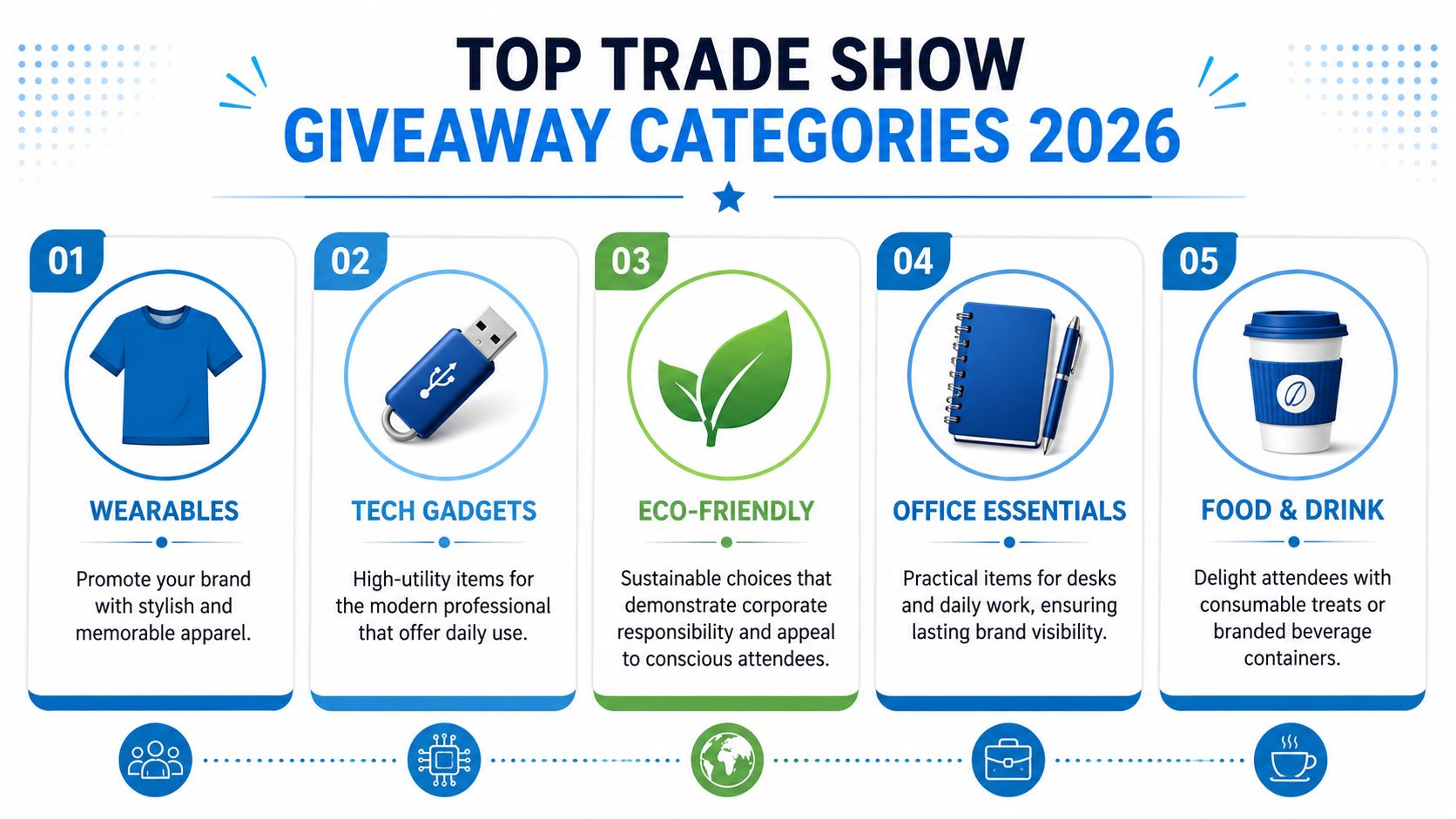
A strong promotional products roundup found that outerwear, bags, hats, t-shirts, pens, and drinkware are top-performing giveaway categories, with branded drinkware standing out because high utility creates repeated daily exposure, as noted in this trade show giveaway statistics summary.
What consistently performs well
Wearables work because people become the media. A well-made T-shirt, quarter-zip, or embroidered hat creates moving brand visibility, but only if the fit, fabric, and decoration look good enough to wear beyond the show floor. Wearables fail when the item feels oversized, scratchy, or overbranded.
Drinkware is one of the safest categories when the audience includes office workers, commuters, or travelers. Water bottles, insulated tumblers, and coffee mugs stay in rotation when they're durable and easy to carry. They're especially strong when your logo doesn't overwhelm the design.
Bags and totes pull double duty. They help attendees immediately during the event, and they keep working later for errands, travel, or daily carry. For broad reach, drawstring bags often hit a good balance of utility and visibility. If that's the direction you're considering, branded drawstring bags with logo options are a practical example of the format that tends to travel well at events.
Tech accessories earn attention fast when they solve a real problem. Chargers, cables, and simple device accessories are especially effective in environments where attendees rely heavily on phones and laptops. They do require more discipline on quality. Cheap tech can break trust just as fast as it creates interest.
Office essentials rarely feel exciting in a brainstorm, but they often perform steadily. Pens, notebooks, desk organizers, and practical writing tools stay useful in workplaces where people still take notes, sign documents, or move between meetings.
Giveaway category comparison
| Category | Typical Cost Per Unit | Perceived Value | Brand Visibility | Best For |
|---|---|---|---|---|
| Wearables | Varies by garment and decoration | High when quality is strong | High in public use | Brand building, staff wear, premium traffic |
| Drinkware | Varies by material and style | Strong for daily-use pieces | High on desks and in transit | Broad appeal across industries |
| Bags and totes | Varies by fabric and construction | Solid when durable | High at events and afterward | High-volume booth traffic |
| Tech gadgets | Varies widely by function | Often high | Moderate to high through repeated use | Tech expos, lead capture incentives |
| Office essentials | Usually budget-friendly to moderate | Moderate | Steady in work settings | Large distribution, practical audiences |
A category becomes effective when the product survives contact with real life. Daily use beats novelty almost every time.
One caution matters here. Don't confuse “popular category” with “automatic success.” Every category has weak versions. A cheap bottle leaks. A thin tote tears. A hat with poor embroidery stays in the hotel room. Category helps you narrow the field. Execution decides whether the item earns space in someone's routine.
Giveaway Ideas Organized by Budget
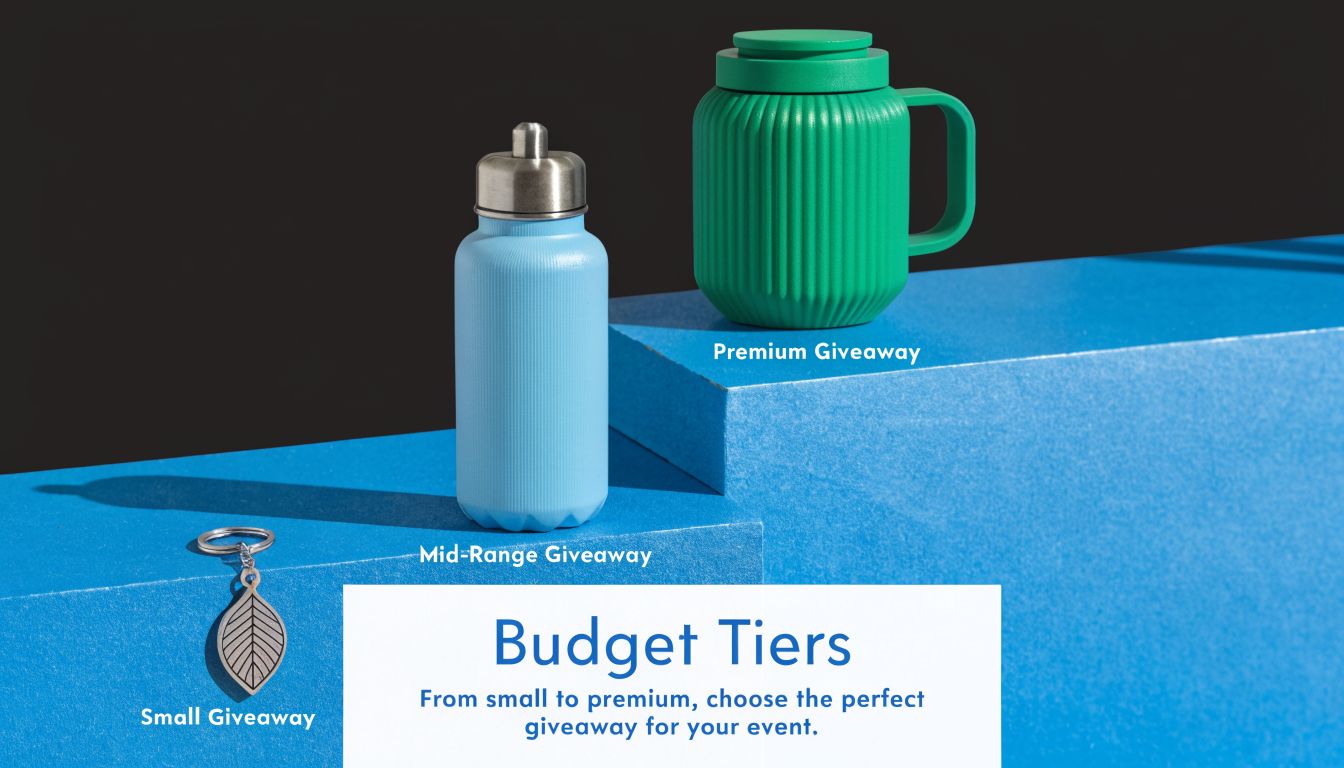
Budget changes the role your giveaway should play. Lower-cost items usually aim for reach. Mid-range items help qualify interest. Premium items are best when you already know the recipient matters. Problems start when teams expect one budget tier to do every job.
Economy choices for broad reach
Economy items work best when they're easy to grab, easy to pack, and easy to use right away. Such items include tote bags, basic water bottles, stickers, notebooks, and cleanly branded pens. The goal isn't prestige. The goal is practical coverage without handing out junk.
A common mistake is treating low cost as permission to lower standards. Don't. Simple products still need decent materials and a readable imprint.
Good economy thinking sounds like this:
- Tote bags: Helpful on the show floor and visible all day.
- Pens and notebooks: Useful when the audience is meeting-heavy.
- Basic drinkware: Better when your logo has room to breathe.
- Stickers or small accessories: Best when your audience already likes branded personal items.
If you're trying to make a broad-order decision without overcomplicating it, a practical bulk buying guide for custom promotional products can help frame the trade-offs between quantity, decoration, and item type.
Mid-range items for qualified conversations
Many of the best giveaways at trade shows exist in this category. Mid-range products usually have enough perceived value to support a stronger exchange. You can ask for a badge scan, a short demo conversation, or a scheduled follow-up without creating friction.
Popular options in this range include upgraded bottles, better notebooks, embroidered caps, branded polos, compact tech accessories, and cleaner presentation pieces that feel more intentional than mass-handout swag.
Here's the practical advantage. Mid-range items don't need to go to everyone. They go to people who engaged.
A mid-tier giveaway should feel earned, not hidden. Booth staff should know exactly when to use it.
For visual inspiration on how teams package and tier products, this short clip gives a useful overview of presentation styles and item mix:
Premium gifts for top prospects
Premium giveaways should be reserved. Not because generosity is bad, but because scarcity helps your team use the item with purpose. Strong premium choices include outerwear, better tech accessories, upgraded bags, and polished apparel that recipients would choose on their own.
Tech-heavy events deserve special mention here. High-utility tech items such as branded power banks can create immediate “hero” moments for attendees with low phone battery, and some data suggests they can support a 25% uplift in lead conversion when used as an incentive for data capture, according to this discussion of tech-focused trade show giveaways.
That doesn't mean every booth should order power banks. It means premium items work best when they solve an urgent problem for the specific audience in front of you. For a software expo, that may be charging. For a field-service audience, it may be durable apparel. For a professional association event, it may be a refined travel piece or office item.
Use premium gifts where they can do real work: pre-booked meetings, serious buyers, channel partners, and existing clients you want to deepen relationships with.
Branding Your Giveaways for Maximum Impact
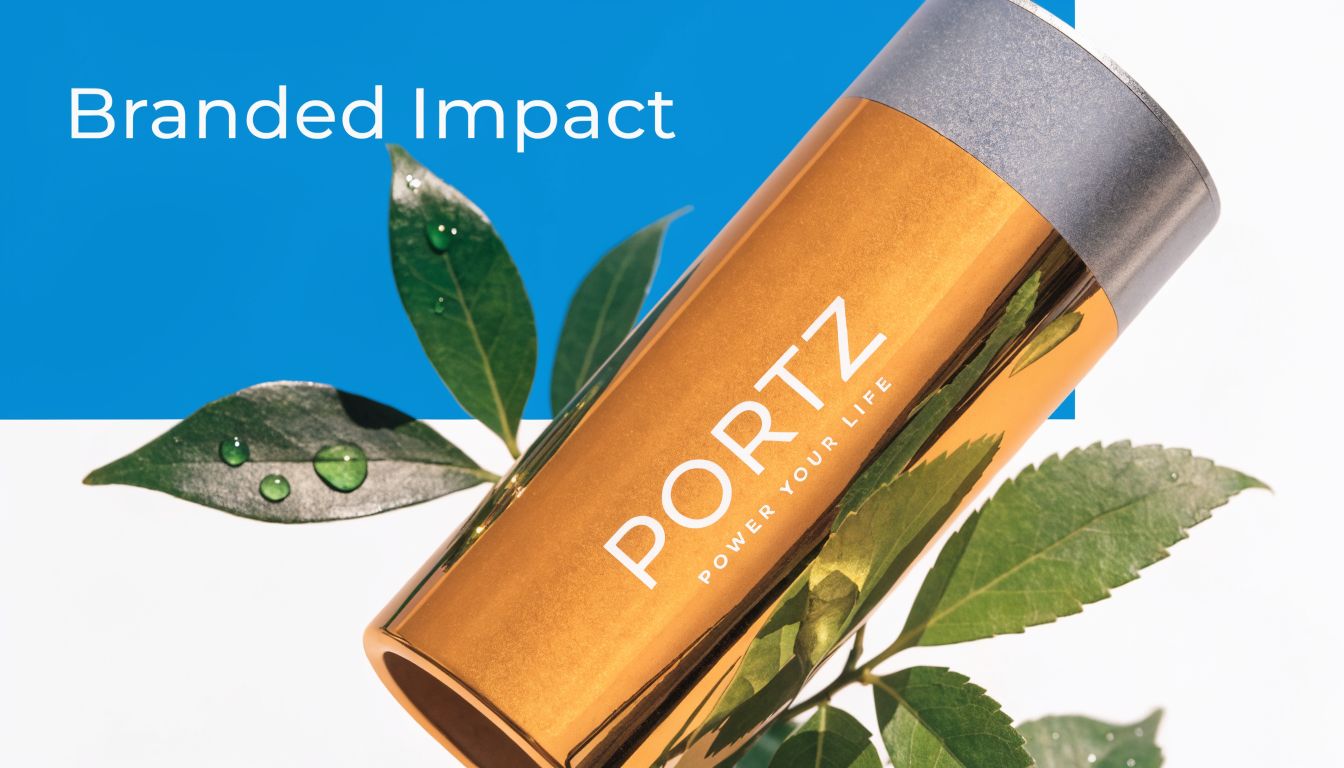
A strong product can still underperform if the branding is wrong. This usually happens in small ways. The logo is too large. The print method doesn't match the material. The colors shift. The placement looks like an afterthought. Recipients may not say any of that out loud, but they feel it.
Choose the decoration method that fits the product
Screen printing works well for T-shirts, tote bags, and other flat fabric items where you want clear graphics at scale. It's often the right call for bold logos and straightforward art. It tends to look best when the design is intentional and not overloaded with tiny details.
Embroidery gives hats, polos, outerwear, and structured apparel a more professional look. It adds texture and permanence. It also forces discipline because not every logo translates perfectly into thread. Fine lines, very small type, and overly detailed marks often need adjustment before they'll look clean.
Direct-to-film (DTF) helps when the artwork is more complex or multi-colored. It's a practical option for logos that don't simplify well for traditional decoration methods and for projects where color accuracy matters across varied apparel pieces.
A simple rule helps: choose the decoration method that supports the product's natural use. Don't force a print style because it worked on a different item.
Add a digital action to the physical item
Some of the most effective branded giveaways now do more than display a logo. They invite action. That's where NFC can be useful. NFC-enabled promotional items can drive stronger post-event engagement because an embedded chip lets attendees tap with a smartphone to open a website, download a brochure, or enter a contest, as explained in this overview of interactive trade show giveaway ideas.
That changes the role of the item. A hat, badge, sticker, or bag tag can become a measurable touchpoint instead of a static object. It's especially useful when you want a cleaner handoff between in-person conversation and digital follow-up.
For teams thinking more broadly about event identity, this resource on elevating brand participation at events is worth a look because it connects branded merchandise to the overall attendee experience, not just the giveaway table.
Good branding is usually quieter than people think. The item should look usable first and branded second.
When decoration and function line up, the product feels intentional. That's what people keep.
Smart Distribution Strategies for Your Booth
The fastest way to waste a giveaway budget is to put everything on the front table and let the boldest attendees empty it. Free-for-all distribution feels easy, but it strips your team of control. It also gives your best items to the people who were best at grabbing, not the people most likely to buy.
Don't put your best item in a bowl
A tiered system works better because it matches item value to lead quality.
Use three levels:
- Open distribution items: Low-cost pieces anyone can take without friction
- Conversation items: Better products given after a badge scan or short qualifying exchange
- Reserved gifts: Premium items for meetings, top prospects, partners, or current customers
This approach also helps your booth staff stay intentional. They aren't guessing whether someone “deserves” an item. They're following a plan.
One practical benefit is pacing. Your inventory lasts longer, and your team has more chances to turn a giveaway into a conversation rather than a transaction.
Use giveaways to start better conversations
The item should help your staff ask smarter questions. A tote bag can open with, “Do you want something easy to carry materials today?” A premium bottle can follow a deeper exchange. A charger can become the natural close to a product demo.
Interactive distribution can help too, as long as it doesn't turn your booth into a distraction machine. If you're considering a game mechanic, this guide to spinning prize wheels is useful because it shows how to structure engagement without losing control of the lead process.
The giveaway should support the conversation, not replace it.
One more hard truth. Some booth staff hand items out too early because they're trying to be polite. That usually shortens conversations. Once the attendee has the product, they often move on. Train your team to use the giveaway as a close to the interaction, not the opening move in every situation.
Measuring ROI and Embracing Sustainable Giveaways
A giveaway program only becomes strategic when you can see what happened after the event. Otherwise, you're left with vague feedback and a budget line item. Teams often say promotional products are hard to measure, but there are practical ways to track them.
Track what happens after the show
Promotional items can produce 83% brand recall, and QR codes on giveaways can lead to a 25% uplift in post-event follow-ups, according to this trade show giveaway ROI discussion. That matters because it gives you a simple measurement path.
Put a unique QR code, landing page, or offer code on the giveaway itself. Then watch what happens.
- Use a dedicated landing page: This separates trade show traffic from your other campaigns.
- Create item-specific QR codes: Different products can reveal which category drove more engagement.
- Track follow-up by tier: Compare broad handouts against your mid-tier and premium items.
- Review scan behavior: Teams that want cleaner reporting should understand QR scan analytics before the event so they know what signals to watch.
The key is consistency. If your booth team scans badges but your giveaway has no trackable element, you lose part of the picture. If the item carries a code but the landing page is generic, you also lose clarity.
Sustainability matters when utility comes first
Sustainable giveaways work best when they're also useful. People don't keep an item because it's labeled eco-friendly. They keep it because it earns a place in daily life. Recycled totes, reusable drinkware, and better-made apparel often fit that standard well because they replace disposable behavior instead of adding clutter.
For teams trying to align brand values with product choices, a curated range of eco-friendly promotional products can make that process easier without forcing you into novelty items that don't get used.
The best long-term mindset is simple. Choose fewer throwaway products. Choose better items. Give them to the right people. Then track what they do next.
If you want trade show giveaways that look sharp, hold up in real use, and match the way your brand should show up, Dirt Cheap Product, Inc. can help you source and decorate apparel, bags, drinkware, and promotional items with fast turnaround and practical guidance on print methods, embroidery, and bulk ordering.