
You’re probably weighing two very different outcomes right now.
One is the standard promo shirt. The print looks bold on day one, but it feels thick, traps heat, and turns a decent blank into something people wear once. The other feels closer to retail merch. The graphic is there, but the shirt still feels like a shirt. That difference matters more than most buyers expect.
In custom apparel, the ink choice shapes comfort, brand perception, and how often people keep wearing the piece. Water based ink printing stands out when the goal is a softer feel, a more breathable garment, and a finish that reads less like giveaway merch and more like something bought off a shelf.
Table of Contents
- Beyond the Basic Tee Rethinking Print Feel and Quality
- How Water Based Ink Printing Actually Works
- Water Based vs Plastisol A Head to Head Comparison
- Choosing the Right Garments for Water Based Prints
- Artwork and Production How We Get the Perfect Print
- Care Instructions and Long Term Durability
- When to Choose Water Based Ink for Your Brand
Beyond the Basic Tee Rethinking Print Feel and Quality
Most buyers know the feeling of a bad print before they know the printing method. You pick up the shirt and the artwork feels like a patch stuck onto the chest. It’s stiff. It’s warm. On a large front print, it can feel like armor.
That’s usually the point where clients start asking for something “softer” or “more retail.” They’re not asking for a chemistry lesson. They want apparel people will wear after the event, after the onboarding kit arrives, or after the product launch ends.
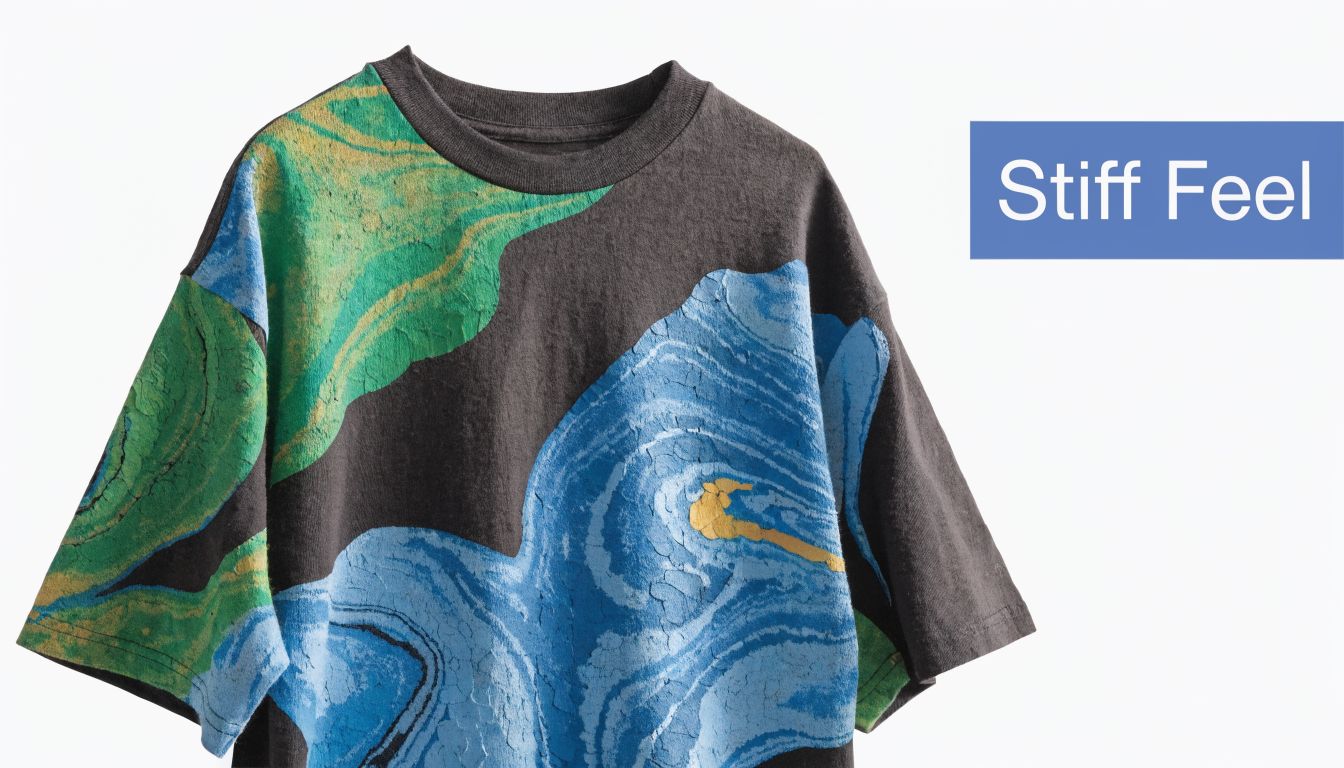
Why feel changes how your brand is judged
A shirt with a soft print lands differently. It feels more considered. It feels more expensive, even when the blank itself is simple. For brands selling merch, that can support a retail presentation. For companies ordering uniforms or staff apparel, it can make the garment easier to wear through a full day.
Water based prints are often the right answer when comfort is part of the brief. The ink doesn’t leave the same heavy layer you get from thicker surface prints, so the garment keeps more of its natural hand and breathability.
A soft print doesn’t just improve comfort. It changes whether the shirt becomes part of someone’s regular rotation.
Not new, just better executed now
Water-based printing isn’t a trend that appeared out of nowhere. Historically, pioneers like Andy Warhol used early forms of water-based inks. The industry later shifted to plastisol for production efficiency, but regulations and demand for a premium feel helped drive water-based printing back into wide use. In the European fashion market, water-based prints now represent approximately 90% of production according to this history of water-based and plastisol ink.
That matters for a business buyer because it shows where premium apparel has been heading for years. If your brand wants a print that feels closer to fashion retail than old-school promo, water based ink printing deserves a serious look.
How Water Based Ink Printing Actually Works
Water based ink is driven into the garment, then cured so the water leaves and the pigment and binder stay behind in the fabric. On ring-spun cotton and other absorbent blanks, that changes the result in a way buyers notice right away. The print feels lower profile, less coated, and closer to the hand of the shirt itself.
For a brand ordering wholesale screen printed t-shirts, that process matters because print feel affects perceived quality. A graphic that sits softly in the fabric usually reads more retail. A graphic that leaves a heavier film can read more promotional, which may be fine for event shirts but not for every brand program.
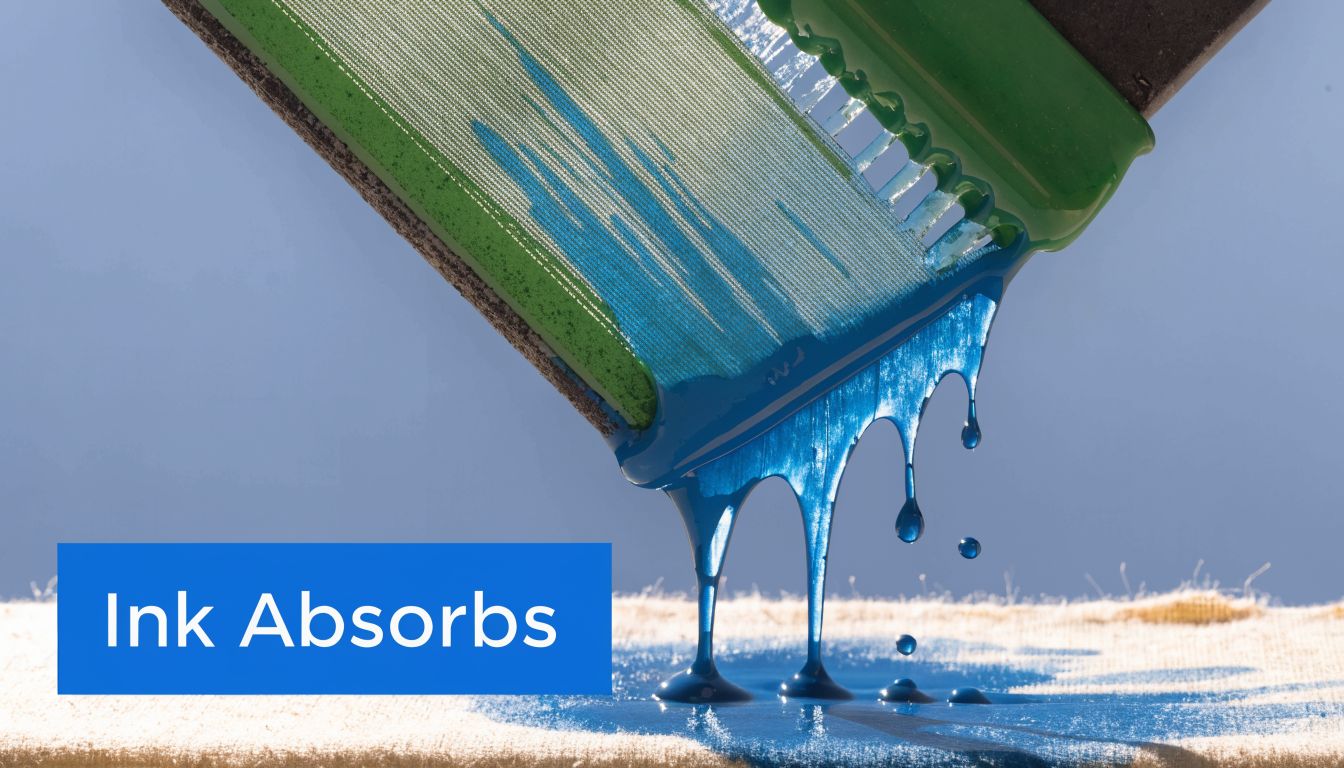
What’s happening on press
The screen deposits ink into the surface of the garment. Because the carrier is water, the ink starts changing the moment it is exposed to air and heat. That is one reason water based printing rewards a controlled shop setup. Mesh choice, squeegee pressure, flash timing, and dryer settings all affect whether the print comes out clean or starts to lose detail.
On press, the goal is simple. Put down enough ink to get the color and coverage the art needs, but not so much that the print loses the soft hand your buyer is paying for.
That balance takes judgment.
A bold left-chest logo on a light cotton tee is usually straightforward. A large graphic on a dark garment is more demanding because the printer may need an underbase, multiple hits, or discharge chemistry depending on the fabric and the target look. Each of those choices affects cost, color payoff, and feel.
Why curing matters
Curing is where a good water based print is won or lost. If the print is under-cured, wash durability suffers. If it is overworked with too much heat or poor dryer control, color and consistency can drift, especially across a larger run.
Clients do not need every production detail, but they should know this. Water based ink is less forgiving than plastisol during production, and that is part of the trade-off. In a shop that runs it well, the result can look refined and feel excellent. In a shop that treats it casually, the soft-hand advantage disappears fast.
Why the finished shirt feels different
The finished print feels different because there is less buildup sitting on top of the garment. Instead of leaving a thick, rubbery layer, the print stays closer to the fabric structure. That matters most on retail-weight cotton, combed ringspun tees, and garments where hand feel is part of the buying decision.
This is also why garment pairing matters so much. Water based ink performs best on absorbent fabrics. On the wrong blank, the result can look duller or require more engineering to get the same visual impact. Buyers comparing decoration methods for premium apparel often run into similar fabric-behavior questions in heat transfer too, which is why a pro-level fabric designs tutorial can be useful background.
From a business perspective, the process is not just about being water based. It is about whether the final shirt supports the brand. If the goal is a softer retail feel, better wearability, and a print that feels considered instead of heavy, this method earns its place.
Water Based vs Plastisol A Head to Head Comparison
Most buyers don’t need one ink to “win.” They need to know which one fits the job. Water based and plastisol both have a place in a serious print program. The right choice depends on what you care about most: softness, brightness, fabric type, budget tolerance, or production efficiency.
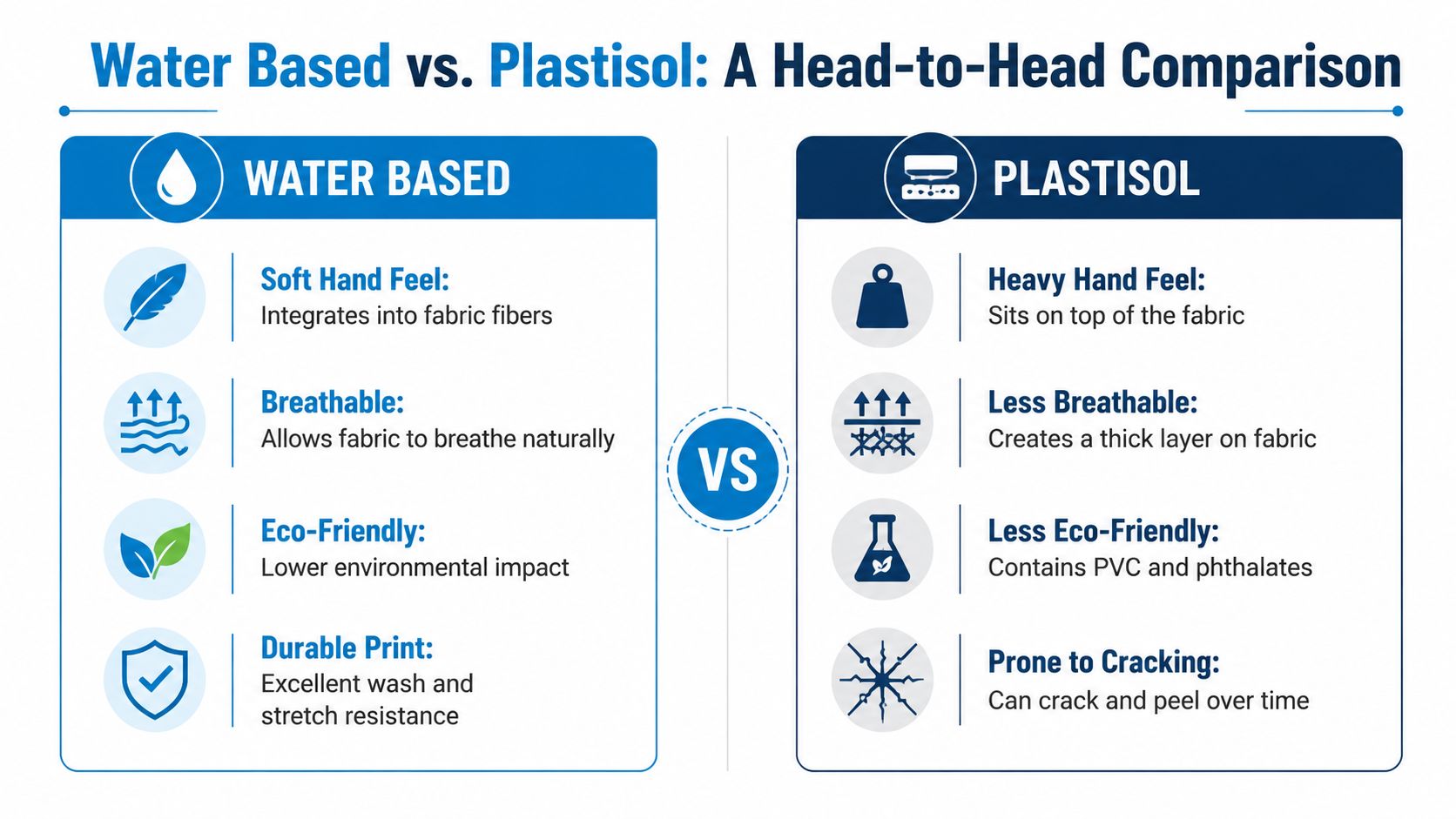
Water-Based vs. Plastisol Ink Comparison
| Feature | Water-Based Ink | Plastisol Ink |
|---|---|---|
| Feel on garment | Softer, more integrated feel | Heavier surface feel |
| Breathability | Better for keeping the fabric feeling open | Can feel more sealed, especially on large prints |
| Best use case | Retail-style tees, soft branding, fashion-forward merch | Bold graphics, strong opacity, broad fabric flexibility |
| Color on dark shirts | Can look excellent, but usually needs more planning | Often easier to get bright, opaque color quickly |
| Production tolerance | Less forgiving on press | More forgiving in many production settings |
| Brand impression | Premium, softer, more understated | Strong, bold, graphic-first |
| Cost considerations | Often requires more control and testing | Often simpler to execute for many jobs |
| Large chest prints | Better when you want less buildup | Better when maximum opacity matters most |
What works best for each
Water based is a strong fit when the wearer experience is part of the project. If the shirt is meant to feel like merch someone chose, not something handed out, that softer finish matters. It also works well when the artwork style benefits from a more natural, less coated appearance.
Plastisol still has real advantages. It’s often the better choice when you need very bright color on dark garments, sharp opacity, and a process that handles production stress with fewer variables. If the design is graphic-heavy and the tactile feel is less important, plastisol can be the smarter call.
The trade-offs buyers should weigh
Here’s the honest version.
- Choose water based when feel leads the decision. Staff shirts, boutique merch, premium event apparel, and lifestyle brands often care more about wearability than maximum ink build.
- Choose plastisol when punch leads the decision. High-contrast logos on dark garments and jobs that demand thick opacity often lean this direction.
- Choose based on the garment, not just the artwork. The same design can succeed or fail depending on whether it’s going onto ringspun cotton, a tri-blend, or a slick performance fabric.
- Budget shouldn’t be viewed in isolation. A cheaper print that nobody wants to wear can cost more in wasted apparel and weaker brand impact.
For buyers comparing print styles for larger programs, it helps to review examples of wholesale screen printed T-shirts for business apparel so you can judge shirt style, print placement, and wearability together instead of evaluating ink in a vacuum.
A lot of brands also benefit from reviewing design references before finalizing the print approach. This pro-level fabric designs tutorial is useful for thinking through how artwork interacts with fabric feel and finish, even if your final production method is screen printing.
If your biggest complaint about past apparel was “the print felt too heavy,” that’s usually a sign to explore water based first.
Choosing the Right Garments for Water Based Prints
The garment does half the work in water based printing. You can have strong art and a careful press setup, but if the fabric fights the ink, the result won’t look or feel the way you expected.
Water based prints usually shine on cotton and high-cotton blends. Those fabrics accept the ink more naturally, which helps the print feel softer and look more integrated. If your goal is a vintage hand, a retail-style finish, or a shirt that keeps its drape after printing, the method makes the most sense.
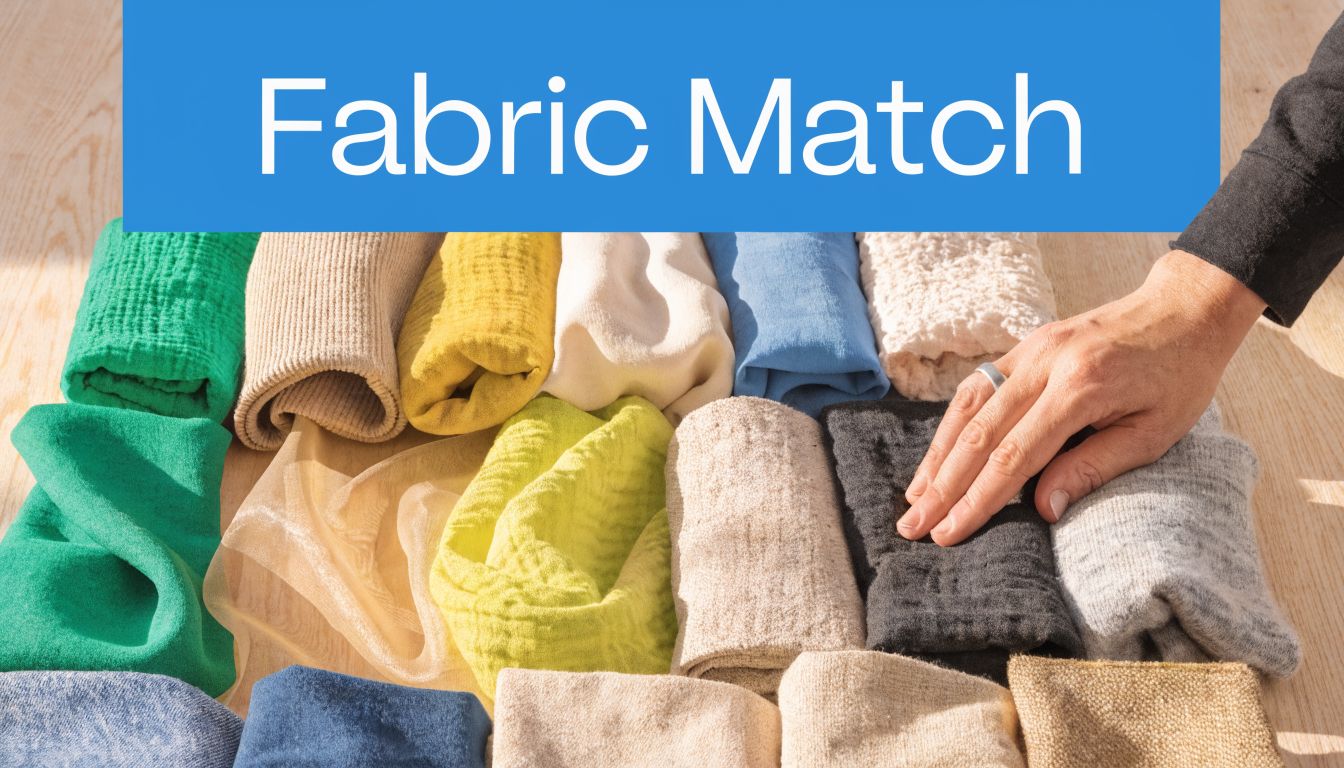
Best pairings for common business orders
Some combinations tend to work better than others.
- Retail merch tees: Ringspun cotton is usually the easiest path to that soft, premium finish buyers want.
- Employee shirts: Cotton-rich blends often balance comfort, print feel, and day-to-day practicality.
- Fashion-forward runs: Lightweight garments and softer yarns usually make water-based prints feel more intentional.
- Vintage style graphics: Faded or washed artwork often looks more natural with water-based ink than with a thick surface print.
Where synthetic fabrics get tricky
Polyester performance wear is the point where buyers need straight answers. Water-based ink can work on synthetics, but the process window gets tighter.
A common issue with polyester is dye migration, where fabric dye bleeds into the ink during curing. According to this Screen Printing Expo discussion on polyester water-based printing, shops can reduce print failures on poly blends by up to 40% by using specialized low-cure inks, 200 to 230 mesh, and the right additives.
That’s useful for businesses ordering team polos, event wear, and lightweight athletic shirts. The job just needs to be engineered for the fabric rather than treated like a standard cotton tee run.
Polyester isn’t impossible with water-based ink. It just punishes lazy process choices faster than cotton does.
A practical buying approach
If you’re ordering for mixed use, don’t force one print style across every garment in the program. Match the ink to the garment’s job.
Cotton tees for retail merch might be perfect for water-based printing. Performance polos for active staff may need more caution, more testing, or a different decoration method depending on the fabric and artwork.
If your team is comparing vendors or decoration approaches across multiple garment categories, it can help to partner with Custom Mark for custom apparel as one additional reference point for how different suppliers present garment and decoration options.
Artwork and Production How We Get the Perfect Print
A buyer approves the art, signs off on the mockup, and expects the delivered shirts to match the brand standard. The result usually comes down to prepress and press discipline more than the ink name on the bucket.
With water based printing, the artwork has to fit the garment, the print size, and the finish you want. A soft retail feel is possible, but it has to be built into the file and the production plan. If the design depends on tiny reverses, hairline type, or very bright color on a dark shirt, those choices affect cost, readability, and consistency.
Artwork that holds up on press
Clean vector files still give the shop the best starting point. AI, EPS, and well-built PDFs separate more accurately and reduce cleanup time before screens are made.
That said, file format is only part of the job.
The practical questions are simpler. How small is the text? How much ink coverage is in the design? Does the art need to feel soft and understated, or bold and high contrast from six feet away? Those are business decisions as much as production decisions because they shape the final look your customer sees at retail.
For customer-supplied files, these factors usually decide whether a print looks premium or just acceptable:
- Clear edges and open shapes: Fine lines and tight gaps can fill in once ink meets fabric texture.
- Intentional print size: A design that works on a web mockup may need to be resized for real garment proportions.
- Smart use of solid areas: Large fills can still look great in water based ink, but they need to suit the shirt weight and expected hand feel.
- Readable color choices: Light ink on light garments and bright ink on dark garments require different production strategies.
If a project needs cleanup before it reaches press, custom printing support for logo setup and production review can help catch problems before they become expensive reprints.
Production choices buyers should ask about
Water based printing gives a high-end hand feel when the setup matches the artwork. It also exposes weak prep faster than plastisol does. That is why experienced buyers ask a few shop-floor questions before approving a large run.
Dark garments often need more planning than light ones. Some designs need an underbase. Others need color adjustments or a different expectation for brightness. If your brand color has to hit a specific look on black tees, ask that question early instead of assuming every ink system will produce the same result.
Mesh selection matters too. Higher mesh can hold finer detail and a cleaner edge. Lower mesh can help deposit more ink where coverage matters. There is no universal best setup. Shops choose based on the artwork, fabric, and whether the priority is softness, opacity, or sharp detail.
| Production factor | Why it matters to the buyer |
|---|---|
| Artwork quality | Keeps small details readable and reduces press issues |
| Garment color | Affects how bright the print appears and whether extra steps are needed |
| Mesh choice | Influences edge sharpness, ink deposit, and final hand feel |
| Underbase strategy | Changes softness, opacity, and cost on dark garments |
| Cure control | Affects wash performance and consistency across the run |
Process control protects brand quality
Good water based printing is controlled printing. Ink condition, screen setup, squeegee pressure, flash use, and cure all have to stay consistent from the first piece to the last.
Buyers do not need every technical setting, but they should expect the shop to manage them. That is what keeps white ink from looking dull on one carton and stronger on the next. It is what keeps a retail merch program feeling refined instead of inconsistent.
Dirt Cheap Product, Inc. offers water based printing as one option within a broader apparel decoration workflow that also includes screen printing, DTF, embroidery, and other methods. That range matters because some projects call for a soft dyed-in feel, while others need stronger opacity, faster turnaround, or better performance on difficult garments.
Clean art starts the job. Controlled production is what turns that art into a print that feels right in hand and looks right on the rack.
Care Instructions and Long Term Durability
A lot of buyers still assume soft prints must be fragile. That old idea doesn’t hold up when the job is printed and cured correctly.
A properly cured water-based print becomes part of the garment rather than sitting on it as a thick layer. That usually means the print ages in a more natural way. Instead of feeling like something that may peel off, it tends to wear with the shirt.
Simple care that protects the finish
Good care isn’t complicated.
- Wash inside out: This reduces abrasion on the printed area.
- Use cold water when possible: It’s gentler on both fabric and print.
- Skip harsh wash settings: Rough cycles wear every decorated garment faster.
- Tumble dry low or air dry: Lower heat is easier on the shirt over time.
- Avoid direct high-heat ironing on the print: If ironing is needed, turn the garment inside out.
What durability really depends on
Durability starts at production, not in the laundry room. If the print wasn’t cured correctly, care instructions can only do so much. If it was cured correctly, normal wear and washing should not be a problem for standard use.
That’s why experienced buyers ask about process, testing, and garment pairing, not just artwork approval. The soft feel is a benefit, but its true value comes when that feel lasts.
A water-based print shouldn’t feel precious. It should feel comfortable, lived-in, and dependable.
When to Choose Water Based Ink for Your Brand
The strongest reason to choose water based ink printing isn’t that it sounds greener. It’s that it supports a specific kind of brand experience.
If your apparel is meant to be worn often, kept longer, and judged like a product instead of a giveaway, water-based printing can be the better fit. That’s especially true when comfort, softness, and a retail-style finish matter as much as logo visibility.
Choose it when wearability is the goal
Some projects are built around impression. Others are built around use.
Water based is often the right call for:
- Retail-ready merch lines: The softer hand supports a more premium presentation.
- Client gifts and internal kits: People are more likely to keep wearing apparel that feels comfortable.
- Lifestyle and hospitality brands: The print can feel more aligned with a polished brand image.
- Eco-conscious campaigns: The method often fits buyers who want a lower-impact direction in apparel.
For teams building broader sustainable campaigns, these eco-friendly promotional product ideas tied to brand loyalty offer useful context for how product feel and material choices affect long-term perception.
Choose something else when the job calls for it
Water-based ink isn’t always the automatic answer.
If the project depends on very bold opacity over dark synthetic garments, or the design needs a thick, graphic, highly coated look, another print method may serve the job better. A good print partner should say that clearly instead of pushing one process for every order.
There’s also a broader market reason buyers keep evaluating water-based options. The global water-based inks market was valued at USD 9.7 billion in 2025 and is projected to reach USD 13.0 billion by 2035, with the United States holding an 18.7% share of consumption, according to Future Market Insights on the water-based inks market. That doesn’t mean every project should use it. It does show that more buyers are treating it as a serious production choice, not a niche request.
The simplest decision filter
Ask three questions before you place the order:
- Do we want this to feel like retail, not promo?
- Will people wear this for hours at a time?
- Does the garment itself support a soft, breathable print?
If the answer is yes across those points, water based ink printing is usually worth serious consideration. If your program also includes bags, giveaways, or broader sustainability goals, it helps to review eco-friendly promotional products for branded campaigns alongside the apparel plan so the whole project feels consistent.
If you’re deciding between water-based printing and other decoration methods, Dirt Cheap Product, Inc. can review the garment, artwork, and end use with you and recommend the print approach that fits the project instead of forcing a one-size-fits-all answer.